


1. How do I book a historical tour or transfer service?
You can book directly through our website by selecting your desired tour or transfer service, filling in your details, and completing the payment process. Once confirmed, you will receive an email with your itinerary and pickup information.
2. Are entrance fees to historical sites included in the tour price?
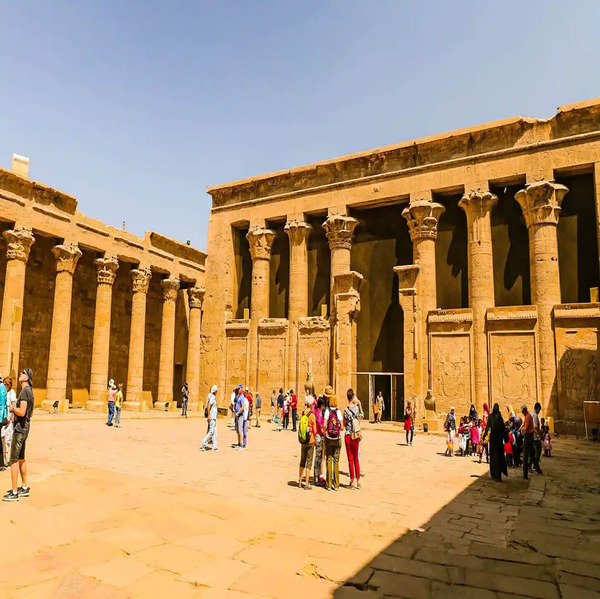
Yes, most of our historical tours include entrance fees to major landmarks such as temples, museums, and archaeological sites. Any exclusion will be clearly mentioned in the tour description.
3. What type of vehicles are used for transfers and tours?
We provide modern, air-conditioned vehicles with professional drivers. For larger groups, minibuses or coaches are available. For private tours, you can enjoy the comfort of exclusive transfers.
4. Can I customize my tour itinerary?
Absolutely! We offer both pre-designed packages and tailor-made tours. If you would like to add or adjust stops, extend your time at a site, or include specific attractions, our team will be happy to create a personalized itinerary.
5. What happens if my flight is delayed?
Our transfer service monitors flight schedules. In case of delays, your driver will adjust the pickup time accordingly at no additional cost. Please make sure to provide accurate flight details when booking.
6. Do you provide professional tour guides?
Yes, our historical tours are led by licensed Egyptologists and experienced guides who will enrich your journey with detailed insights into Egypt’s culture and history.
7. Is food included during the tours?
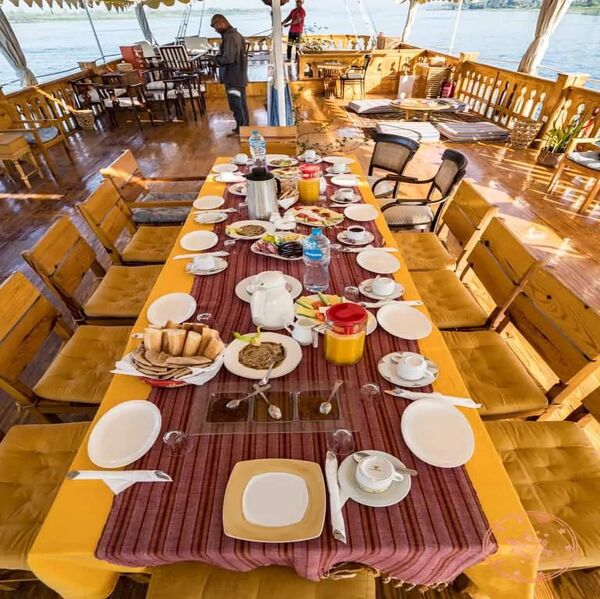
Some tours include lunch at a local restaurant or onboard (for cruises). This will always be mentioned in the tour details. Beverages and personal snacks are usually not included unless specified.
8. Are your tours suitable for children and families?
Yes, most of our tours and transfers are family-friendly. However, certain activities such as desert safaris or long day trips may not be suitable for very young children. Please check the specific tour details or contact us for guidance.
9. Do I need to bring anything special for my trip?
We recommend bringing comfortable clothing, sunscreen, a hat, and walking shoes for historical tours. For snorkeling or desert activities, specific instructions will be provided upon booking.
10. How can I contact you if I have questions during my trip?
Our customer support team is available 24/7 via phone, email, or WhatsApp. You can reach us at any time for assistance before, during, or after your journey.
11. What is the difference between a private tour and a group tour?
A private tour offers a personalized experience just for you, your family, or your friends, with a dedicated vehicle and guide, allowing for flexibility and a customized pace. A group tour joins you with other travelers, following a fixed itinerary, which is often a more budget-friendly option.
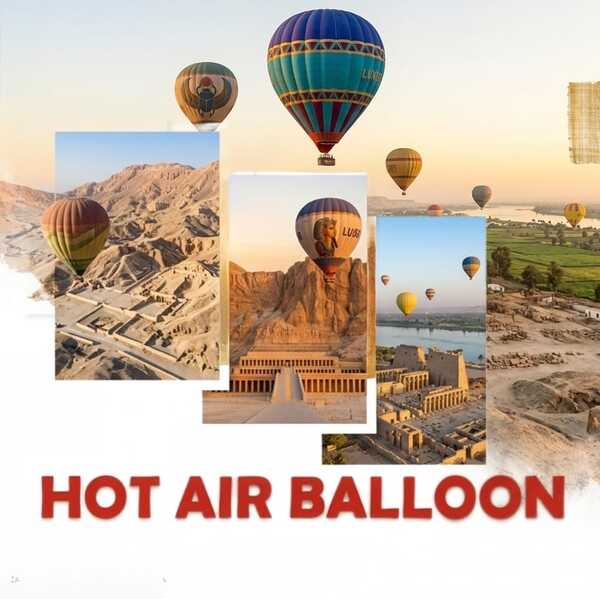
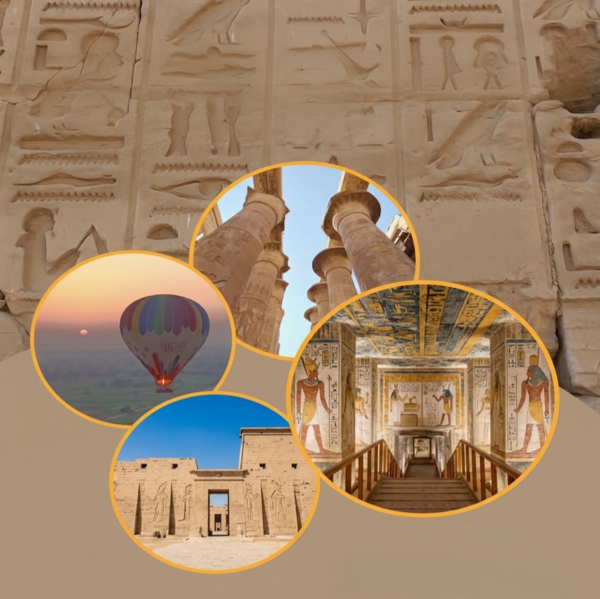
12. What should I pack for a hot air balloon ride in Luxor?
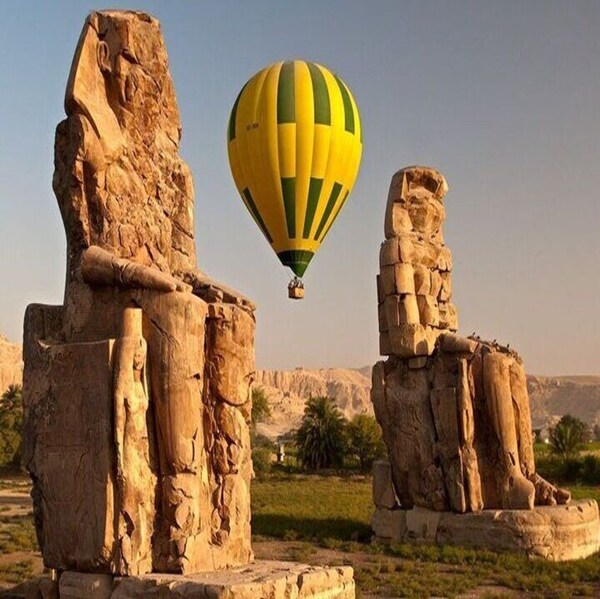
Mornings in Luxor can be quite cool, especially during winter. We recommend wearing layers, including a light jacket or sweater, long pants, and closed-toe shoes. Don’t forget your camera to capture the breathtaking sunrise views over the West Bank!
13. Can I use my credit card to pay for souvenirs at local markets?
While larger souvenir shops may accept credit cards, the small stalls and vendors at traditional markets like Khan el-Khalili operate on a cash-only basis. Having small denominations of Egyptian Pounds will give you better bargaining power.
14. Are your tours wheelchair accessible?
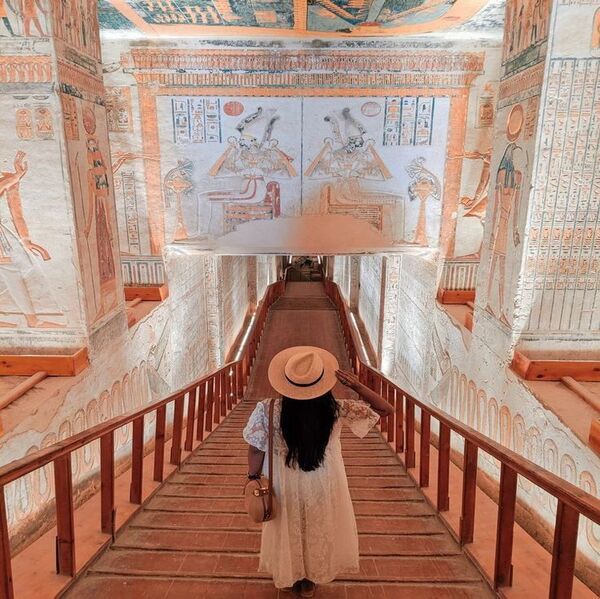
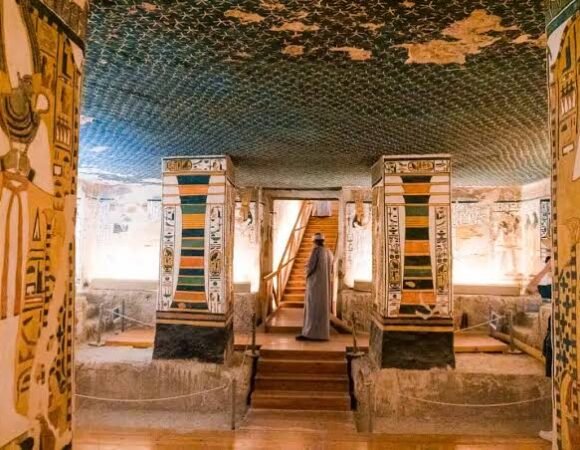
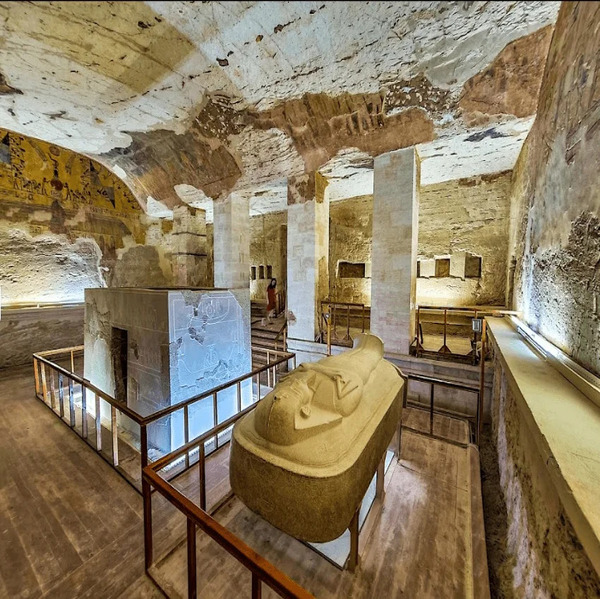
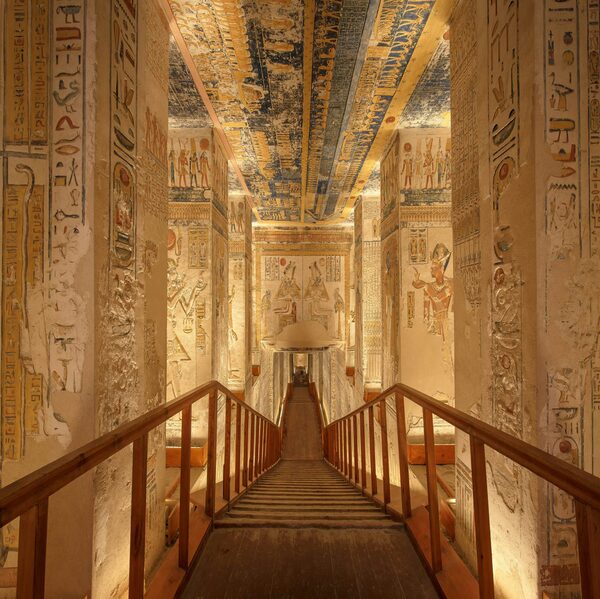
Accessibility varies by site. Many modern hotels and some tourist sites (like the Giza Plateau) are wheelchair friendly, while others (like the Tombs in the Valley of the Kings) have limited access due to their ancient construction. Please contact us with your specific needs so we can advise on the best options and accessible itineraries.
15. Are there any specific rules for visiting mosques and churches?
Yes, modest dress is required. Women should cover their hair, arms, and legs, and everyone must remove their shoes before entering a mosque. You will often be provided with a hooded robe (abaya) at the entrance if needed. Photography is usually allowed but always be respectful of worshippers.
16. What is the food like on a Nile cruise?
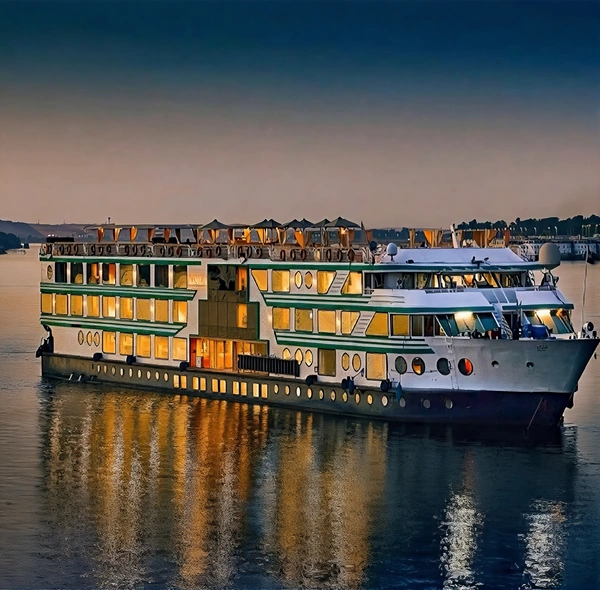
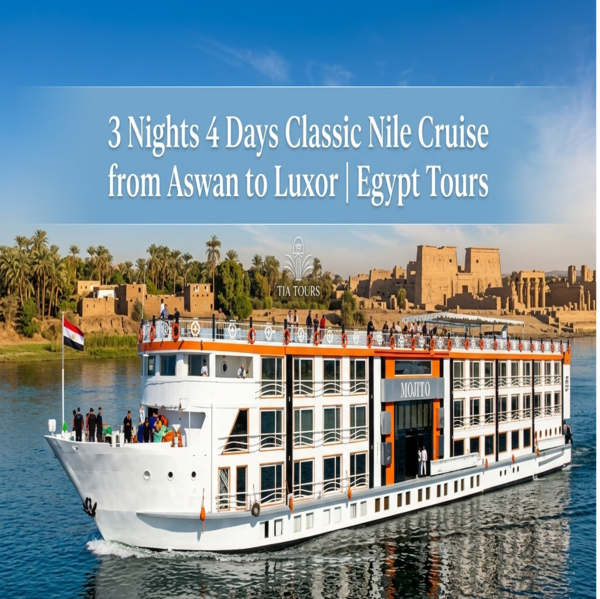
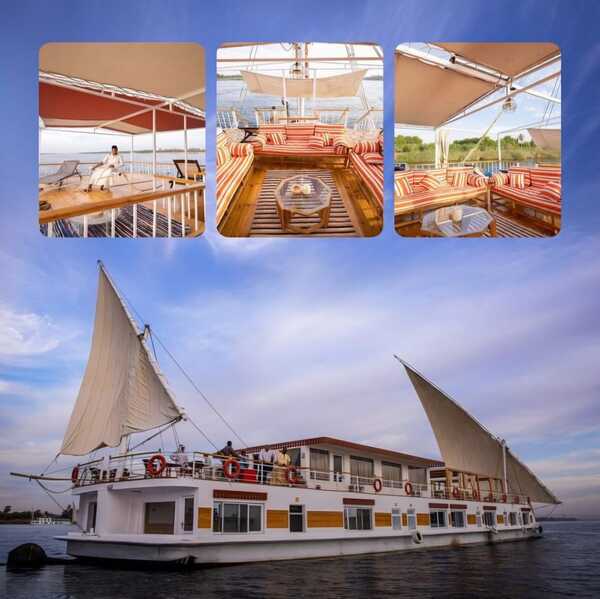
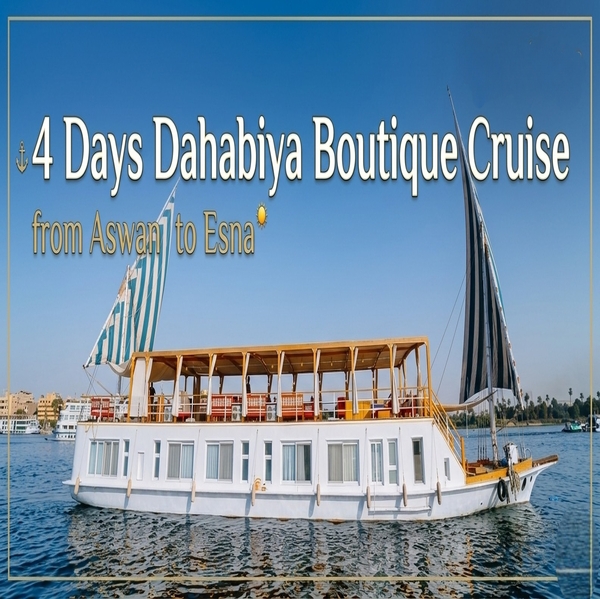
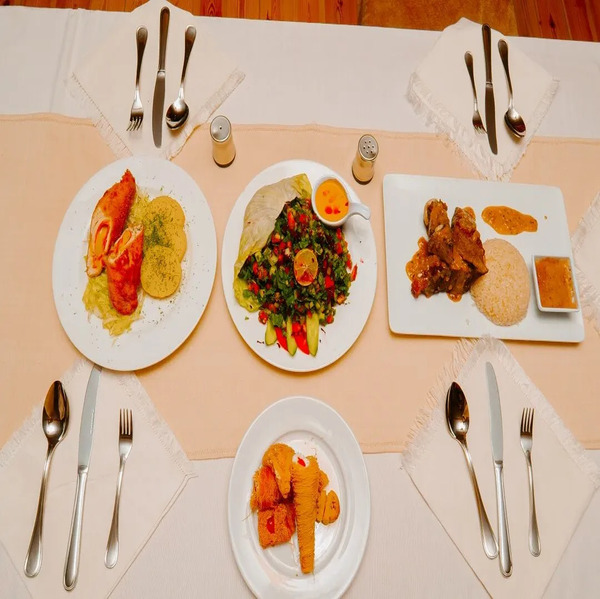
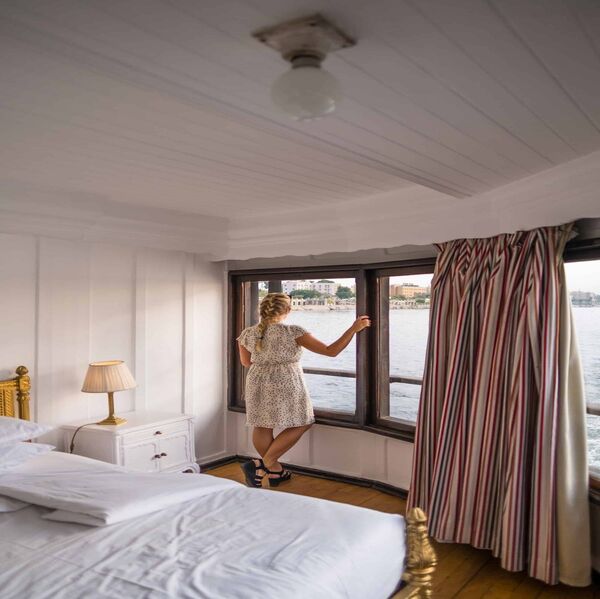
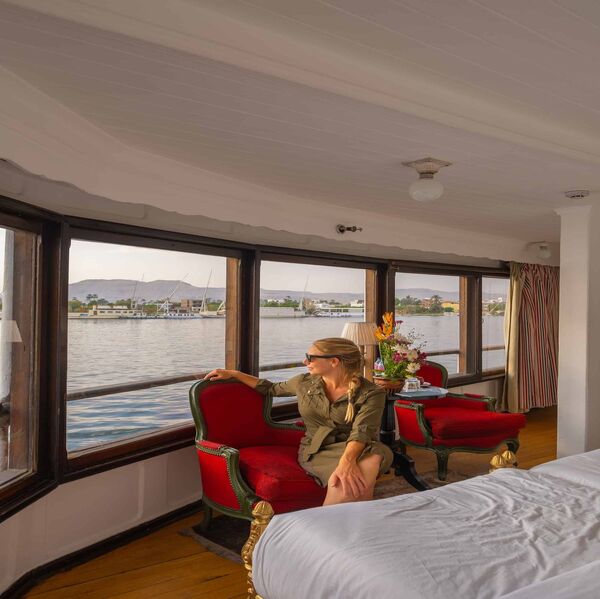
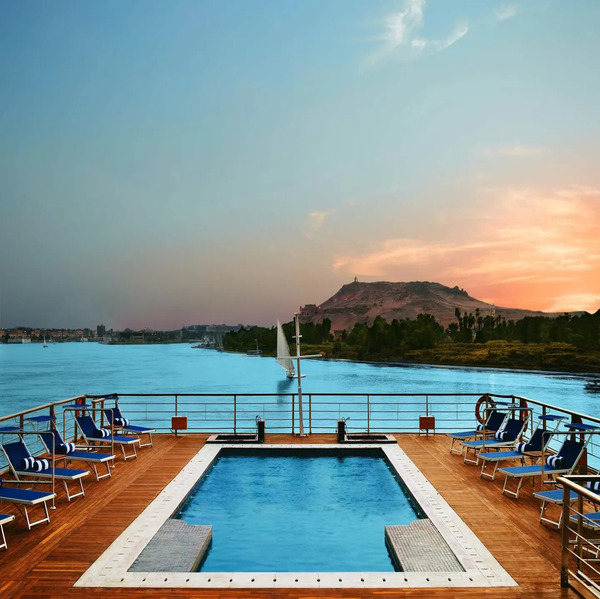
Nile cruises typically offer generous buffet-style meals featuring a mix of Egyptian specialties and international cuisine. Breakfast and lunch are usually buffets, while dinner may be buffet or set-menu. Dietary requirements (vegetarian, gluten-free, etc.) can usually be accommodated with advance notice.
17. How do I handle bargaining at the markets?
Bargaining is expected and part of the fun! Start by offering about half of the initial price quoted, and negotiate calmly and politely until you reach a price both parties are happy with. Never feel pressured to buy; if the price isn’t right, simply smile and say “La, shukran” (No, thank you) and walk away.
18. Is it safe to travel alone as a solo female traveler?
Yes, many solo female travelers visit Egypt and have wonderful experiences. It’s advisable to dress modestly, be aware of your surroundings, and avoid walking alone in quiet areas at night. Booking private tours or joining group tours provides an extra layer of comfort and safety.
19. Are there ATMs available at the airports and tourist sites?
Yes, you will find ATMs at all major airports, hotels, and in tourist areas like Giza, Luxor, and Hurghada. They are reliable and offer competitive exchange rates. However, it’s always wise to carry some cash for tipping and small purchases upon arrival.
20. What is the etiquette for taking photos of local people?
It is always polite and respectful to ask for permission before taking a photo of someone, especially if you wish to photograph locals going about their daily lives. Many will oblige, and some may expect a small tip (baksheesh) in return for their time.
21. What should I know about using public restrooms in Egypt?
Public restrooms, especially at tourist sites and rest stops, often charge a small fee (around 5-10 EGP) and may not always provide toilet paper. It’s a good habit to carry your own toilet paper or tissues and small change for the attendant.
22. Are there any special considerations for travelers with diabetes?
Yes, we recommend carrying snacks and sugary drinks in case of low blood sugar. Inform your guide of your condition so they can ensure you have access to food and restrooms when needed. Keep medications in your carry-on luggage, and drink only bottled water to avoid stomach upsets.
23.What is the best way to handle currency exchange upon arrival?
The easiest and most reliable way is to exchange money at the airport bank upon arrival, where you’ll get a fair official rate. Hotels also offer exchange services, though rates may be slightly less favorable. Avoid exchanging money with street vendors offering “better” rates.
24. Are there vegetarian and vegan options available in Egypt?
Absolutely! Egyptian cuisine is very vegetarian-friendly. Traditional dishes like koshari (rice, lentils, pasta), falafel (ta’ameya), stuffed vegetables, foul medames (fava beans), and various salads are naturally vegetarian or vegan. Most restaurants and hotels cater well to dietary preferences.
25. What should I know about smoking laws in Egypt?
Smoking is common in Egypt, but there are restrictions. Smoking is prohibited in enclosed public places like government buildings, hospitals, and educational institutions. Many restaurants and cafes have designated smoking and non-smoking sections. It’s always polite to ask before lighting up in shared spaces.
26. What is the best way to stay connected to the internet during my trip?
Most hotels, cruise ships, and even many cafes offer free Wi-Fi, though speeds can vary. For reliable, high-speed internet on the go, purchasing a local Egyptian SIM card with a data package upon arrival is the best option. Orange, Vodafone, and Etisalat offer tourist-friendly data plans at the airport.
27. Are there any specific considerations for visiting during summer (June-August)?
Summer in Egypt is extremely hot, especially in Luxor and Aswan where temperatures can exceed 40°C (104°F). If visiting during this time, plan activities for early morning or late afternoon, drink plenty of water, wear a hat and sunscreen, and accept that a midday rest in air-conditioning is essential.
28. Are there any specific considerations for LGBTQ+ travelers?
Egypt is a conservative country where same-sex relationships are not widely accepted and can be socially taboo. Public displays of affection between same-sex couples should be avoided. LGBTQ+ travelers should exercise discretion, particularly outside of major tourist hotels. Private tours offer more comfort and privacy.