
Temple of Hatshepsut
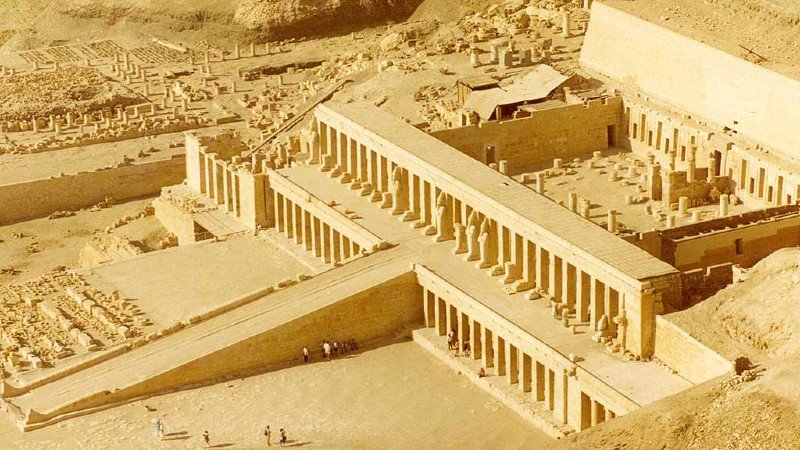
Rising dramatically against the sheer limestone cliffs of Deir el-Bahari on Luxor’s West Bank, the Mortuary Temple of Hatshepsut (ancient Egyptian: Djeser-Djeseru, meaning “Holy of Holies”) is widely considered one of ancient Egypt’s most spectacular and best-preserved architectural marvels. Serving as the monumental funerary complex of Queen Hatshepsut (18th Dynasty), this iconic three-tiered sanctuary was constructed during the 15th century BC as both a sacred sanctuary to Amun-Ra and an enduring monument to her divine reign.
Renowned for its classical symmetry, sweeping colonnaded porticos, monumental ramps, and intricate low-relief carvings, the temple seamlessly integrates natural geology with human artistry to create one of the ancient world’s true masterpieces.
Our complete Temple of Hatshepsut guide brings you essential history, relief iconography, visiting hours, and practical travel tips. To explore this West Bank sanctuary with dedicated guide service, discover our customized Egypt Day Tours
led by expert Egyptologists, or sail Upper Egypt’s historic waterways in luxury aboard our premier Nile Cruise Packages
.
Key Takeaways
- Terraced Cliff Architecture: Built across three rising levels connected by grand ramps, blending perfectly into the rock face of Deir el-Bahari.
- The Divine Birth Reliefs: Detailed wall carvings justify Hatshepsut’s royal authority by depicting her as the direct daughter of Amun-Ra.
- Expedition to Punt: Captures the famous trading voyage to the land of Punt, complete with exotic flora, fauna, and frankincense trees.
- Posthumous Defacement: Decades after her death, her stepson Thutmose III launched a campaign to erase her cartouches and images from the walls.
- West Bank Exploration: Easily combine Hatshepsut Temple with nearby monuments using our tailoredEgypt Tour Packages.
Table of Contents
Why Temple of Hatshepsut Matters
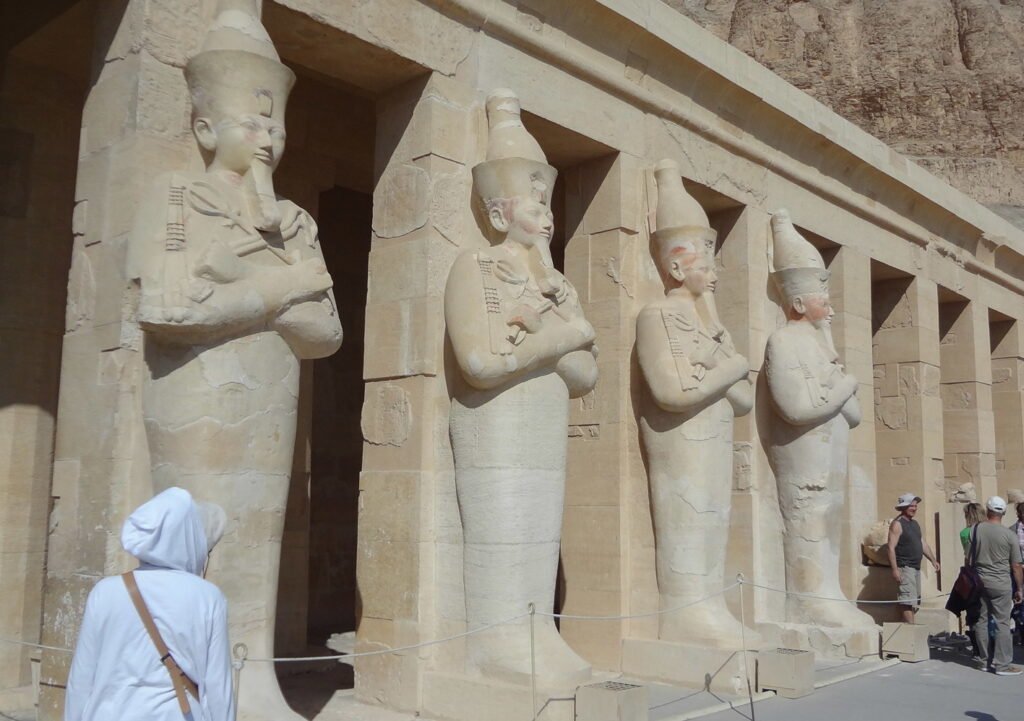
Why does the Temple of Hatshepsut rank among the most essential sites on Luxor’s West Bank? Unlike traditional pharaonic temples enclosed within flat desert boundaries, Djeser-Djeseru was custom-designed to mirror the vertical drama of the cliffs behind it, establishing a groundbreaking precedent for classical architectural symmetry.
SACRED WEST BANK NECROPOLIS (LUXOR)Temple of Hatshepsut
_________________________________________________________________
| Valley of the Kings ---> Hidden Royal Tombs (KV20 nearby) |
|---> Terraced Mortuary Sanctuary of |
| Queen Hatshepsut at Deir el-Bahari |
| Medinet Habu ---> Fortified Temple of Ramesses III |
|_________________________________________________________________|
The Reign of Egypt’s Female King
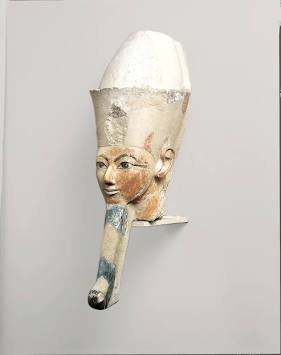
Hatshepsut initially ruled as regent for her young stepson, Thutmose III, following the death of her husband Thutmose II. Within seven years, she assumed full royal titles, wearing the male nemes headcloth and ceremonial beard in public statuary. Her 20-year reign was characterized by immense commercial prosperity, artistic flourishing, and peace.
Architectural Genius of Senenmut
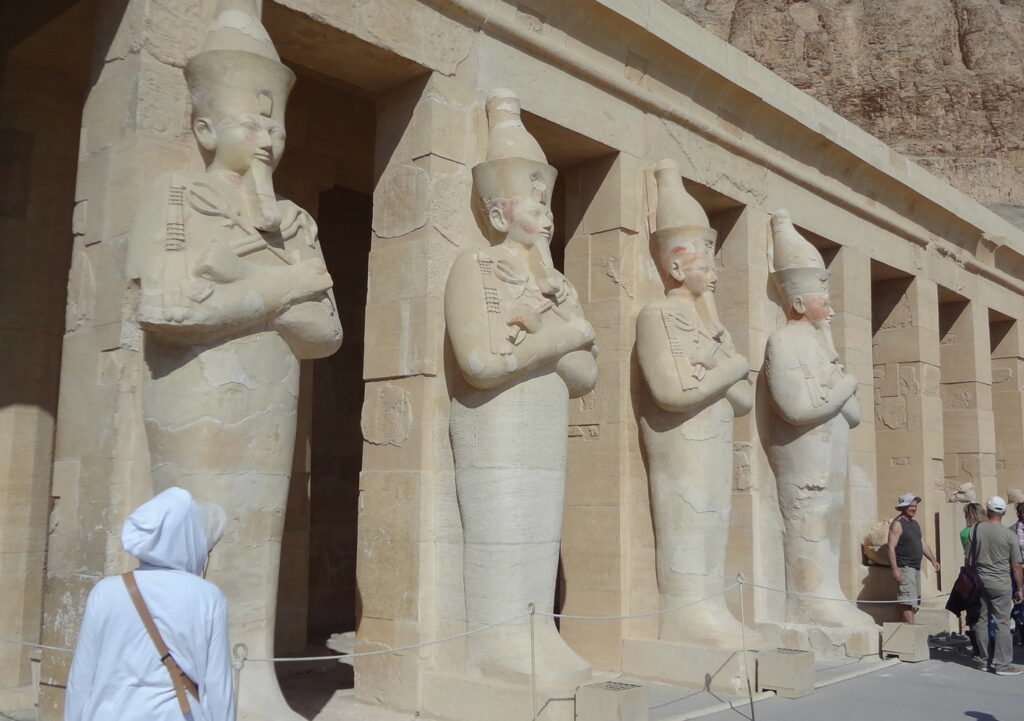
Designed by Hatshepsut’s royal architect and chief steward, Senenmut, the temple features clean vertical columns and grand horizontal terraces that harmonize directly with the striated limestone cliffs, centuries ahead of classical Greek design principles.
Temple Layout & Architectural Plan
The temple is structured across three grand terraces connected by central sloping ramps that ascend toward the innermost mountain sanctuary.
                  [ Inner Sanctuary of Amun-Ra ] (Carved into Rock)
                                  │
                          ┌───────┴───────┐
                          │ Upper Terrace │ ◄── Osiride Statues & Royal Cult Shrines
                          └───────┬───────┘
                                  │
                      ┌───────────┴───────────┐
                      │    Middle Terrace     │ ◄── Punt Reliefs, Birth Colonnade & Hathor Chapel
                      └───────────┬───────────┘
                                  │
                      ┌───────────┴───────────┐
                      │     Lower Terrace     │ ◄── Sphinx Processional Avenue & Papyrus Pools
                      └───────────────────────┘
Architectural Highlights & Iconography
Temple of Hatshepsut
| Feature | Visual Description | Historical Significance |
| Punt Colonnade | Exterior wall carvings showing ships, myrrh trees, and foreign rulers | Documents ancient Egypt’s historic trading expedition to East Africa |
| Divine Birth Reliefs | Carvings illustrating Amun-Ra visiting Queen Ahmose | Divine justification for Hatshepsut’s legitimate royal succession |
| Hathor Chapel | Colonnaded shrine featuring cow-eared Hathor capitals | Dedicated to the goddess of joy, music, and divine protection |
| Osiride Portico | Soaring statues depicting Hatshepsut holding the crook and flail | Asserts royal divine authority and eternal resurrection in the afterlife |
How to Visit Hatshepsut Temple
Located at Deir el-Bahari on the northern end of Luxor’s West Bank, the temple sits right beneath the mountain ridge separating it from the Valley of the Kings.
   RECOMMENDED WEST BANK HIGHLIGHTS ROUTE
   __________________________________________________________
  | 1. Valley of the Kings (Early Morning Exploration)      |
  | 2. Temple of Hatshepsut at Deir el-Bahari              |
  | 3. Valley of the Queens or Ramesseum                    |
  | 4. Medinet Habu (Afternoon Light & Intricate Colors)    |
  |_________________________________________________________|
Admission and Opening Hours
- Opening Hours: Daily from 6:00 AM to 5:00 PM.
- Best Time to Visit: Early morning (6:30 AM – 8:30 AM). Facing east, the morning sun fully illuminates the facade, offering excellent photography before daytime heat peaks.
- Guided Experience: Get the most out of your visit with our expert-led Egypt Day Tours, where professional Egyptologists decode every relief and inscription.
Getting There from Luxor City
- By Taxi / Private Driver: Cross the Nile via the Luxor bridge or ferry, followed by a 20-minute drive across the West Bank to Deir el-Bahari.
- Organized Private Excursion: Enjoy door-to-door air-conditioned transfers across all major landmarks with our customizable Egypt Tour Packages.
Structural Comparison: Hatshepsut Temple vs. Medinet Habu
| Feature | Temple of Hatshepsut | Medinet Habu (Ramesses III) |
| Construction Era | 18th Dynasty (15th Century BC) | 20th Dynasty (12th Century BC) |
| Architectural Style | Multi-tiered terraced cliffside sanctuary | Fortified mudbrick wall enclosure |
| Primary Relief Focus | Peaceful trade, divine birth, & expedition | Naval battles, military conquest, & royal power |
| Defensive Design | Open landscape integrated into cliffs | Heavily fortified with Syrian-style Migdol Gate |
Responsible Travel and Site Preservation
Preserving the delicate limestone carvings and restored colonnades at Deir el-Bahari requires careful cooperation from every visitor.
To learn more about international conservation standards across ancient Thebes, explore documentation at the UNESCO World Heritage Centre
.
- Protect Stone Carvings: Refrain from touching or leaning against the carved porticos and painted chapel walls.
- Use Flash Responsibility: Disable camera flash inside the shaded Hathor and Anubis chapels.
- Stay on Marked Ramps: Follow designated walkways and staircases to avoid damaging fragile stone steps.
Conclusion
The Temple of Hatshepsut stands as an enduring testament to ancient Egyptian architectural genius and the extraordinary reign of its female king. From its sweeping terraced ramps to the historic trade reliefs of Punt, this sanctuary remains an unmissable highlight of Luxor’s West Bank.
Ready to explore the wonders of ancient Thebes with dedicated local expertise? Book your tour today with our team by choosing from our flexible Egypt Day Tours
, relaxing Nile Cruise Packages
, or all-inclusive Egypt Tour Packages
to experience Egypt’s history in total comfort.
Frequently Asked Questions
Why did Thutmose III erase Hatshepsut’s name from the temple?
Decades after her death, Thutmose III systematically defaced her images and cartouches to re-establish the male line of royal succession and ensure his son Amenhotep II’s undisputed right to the throne.
Where is Queen Hatshepsut actually buried?
Her actual tomb (KV20) is located in the nearby Valley of the Kings, cut deep into the mountain rock directly behind Deir el-Bahari.
How long does a visit to Hatshepsut Temple take?
A thorough exploration of the three terraces, Hathor and Anubis chapels, and relief colonnades typically takes 60 to 75 minutes.
Can you combine Hatshepsut Temple with Medinet Habu?
Yes! Both monuments are located on Luxor’s West Bank, just a short 10 to 15-minute drive apart, making them easy to visit together on a single day tour.