
Queen Hatshepsut Temple Guide to Deir el-Bahari
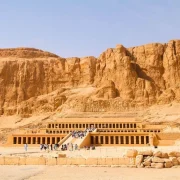
Hatshepsut Temple Luxor stands as one of the most magnificent architectural achievements of ancient history. Located in the desert bay of Deir el-Bahari, this monumental sanctuary was carved directly into massive limestone cliffs to honor Egypt’s legendary female pharaoh. Designed by royal architect Senenmut, the multi-tiered complex harmonizes seamlessly with the dramatic natural landscape, creating an iconic landmark that has stood for over 3,400 years.
Key Takeaways
- Historical Impact: Discover the legacy and divine authority of Egypt’s female pharaoh.
- Smart Planning: Maximize your visit across Luxor’s West Bank with timing and route tips.
- Practical Advice: Simple guidelines for tickets, transportation, accessibility, and weather.
- Artistic Masterpieces: Explore famous chapels, trade reliefs, and multi-tiered terraces.
Why the Temple of Hatshepsut Matters
Source of the photo weepingredorger
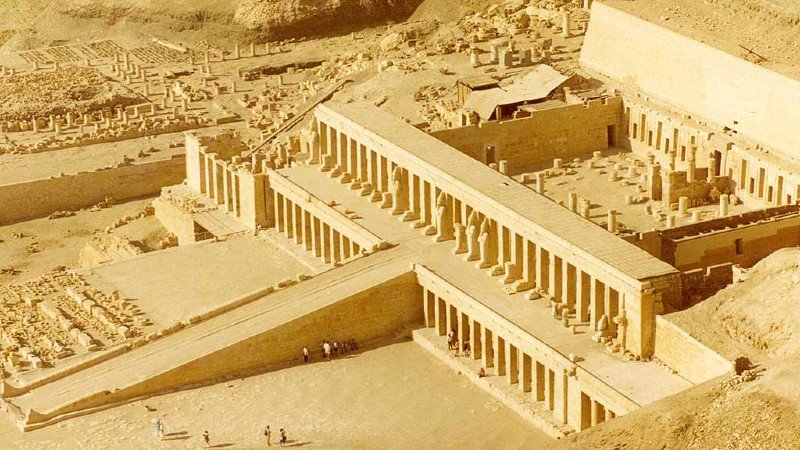
Exploring the Three Terraces of Hatshepsut Temple Luxor
Designed by royal architect Senenmut, the multi-tiered complex harmonizes directly with the massive cliff face behind it. By choosing this sacred desert bay, Hatshepsut aligned herself with the goddess Hathor and nearby Middle Kingdom monuments, creating an ancient architectural masterpiece you can explore our luxor day tour which is include Queen Hatshepsut temple visit here https://egypt-tia-tour.com/luxor/
The Female Pharaoh Who Ruled as King
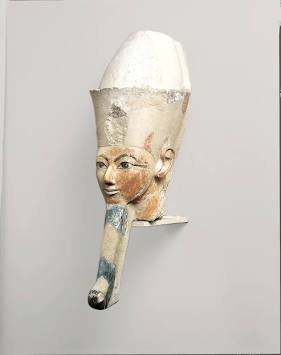
source of the photo : The met museum
Ruling for over two decades during the New Kingdom, Hatshepsut secured economic prosperity and divine authority. To solidify her right to rule, statues depicted her wearing the traditional pharaonic beard and headcloth.
What Makes This Temple Different
Unlike enclosed temples, this site features wide, open-air terraced colonnades connected by long central incline ramps. Modern restoration has preserved these 3,400-year-old courtyards despite ancient attempts by her successor, Thutmose III, to erase her name from history.egy monuments
Location, Layout, and Setting
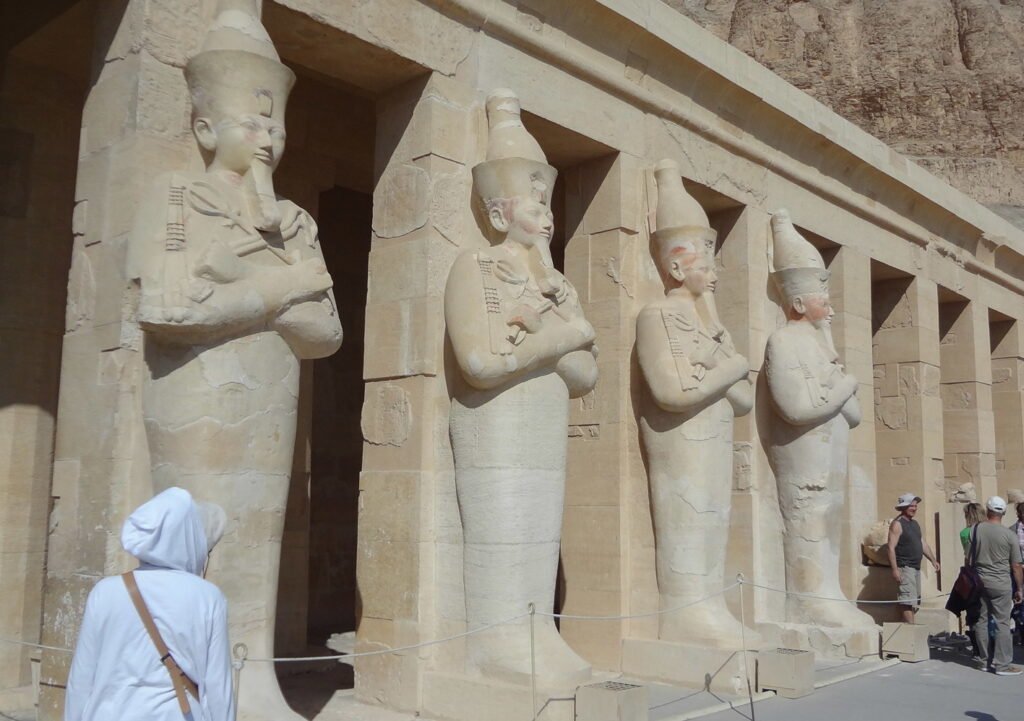
Across From Modern Luxor
Located on the Nile’s West Bank across from modern Luxor, the site sits in a stark desert bay near the Valley of the Kings.
The Three Terraces Explained
- Lower Terrace: Grand courtyard flanked by colonnades, once holding lush gardens.
- Middle Terrace: Houses the famous Expedition to Punt and Divine Birth relief halls.
- Upper Terrace: The inner sanctuary featuring Osirian statues, the Sanctuary of Amun-Ra, and shrines to Hathor and Anubis.
Terrain & Climate
Navigating the wide stone terraces involves moderate walking up inclined ramps with no shade. Because the eastern orientation reflects heavy morning sun off white limestone, sun protection and water are essential.
Design and Relief Highlights
Procession Path & Reliefs
Visitors ascend central ramps mirroring ancient ceremonial routes, reaching the innermost Sanctuary of Amun-Ra carved deep into the cliff.
- Expedition to Punt: Carvings depicting trade voyages for gold, ebony, and myrrh trees.
- Divine Birth Reliefs: Scenes declaring her divine parentage via the god Amun-Ra.
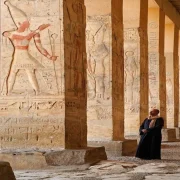
- Hathor & Anubis Chapels: Preserved interior spaces with vibrant original blue, yellow, and red paints on ceilings and pillars.
Key Highlights Summary
| Temple Area | Location | Key Highlight |
| Punt Colonnade | Middle Terrace | Carvings of foreign trade and ships |
| Divine Birth Hall | Middle Terrace | Reliefs declaring her divine parentage |
| Hathor Chapel | Middle Terrace | Hathor-headed pillars and preserved paint |
| Osirian Colonnade | Upper Terrace | Giant statues of Hatshepsut as king |
Visitor Logistics & Practical Advice

Tickets & Hours
- Opening Hours: Daily from 6:00 AM to 5:00 PM.time
- Transport Trams: Small electric trams (“taf-tafs”) transport visitors from the parking lot to the lower courtyard a small fee.
- Photography: Standard phone/camera photography is permitted; flash is strictly prohibited inside chapels.
| Ticket Option | Access Level | Cost Category |
| Standard Adult Ticket | Full Site Entry | Base Price |
| Student Pass | Full Site Entry | 50% Discount (Valid ID) |
| Tram Service | Parking to Temple Base | Nominal Fee |
How to Get There & Best Time to Visit
- Getting There: Cross the Nile via public ferry, motorboat, or the Luxor Bridge, then continue by taxi or private driver.
- Best Time: Visit from November to February right at 6:00 AM to beat midday heat and big group tours. Plan for 1.5 to 2 hours to explore.
- Tips: Wear comfortable closed-toe walking shoes, bring sunglasses/hat, carry fresh drinking water, and never touch ancient carved surfaces.
FAQ
What is the primary significance of the Hatshepsut Temple?
It is an architectural masterpiece honoring Queen Hatshepsut, serving as a center for her royal cult and displaying her major historical achievements.
Is the temple inside the Valley of the Kings?
No, it is located nearby in a separate cliff bay called Deir el-Bahari and requires its own separate admission ticket.
How much physical climbing is required?
It involves walking up two wide incline ramps connecting the three levels. There are no steep spiral stairs, but steady uphill walking on open stone is required.
Can you see original paint inside the temple?
Yes, while outer surfaces have weathered, protected inner areas—like the Chapels of Hathor and Anubis—retain vibrant original pigments.