Habu Temple
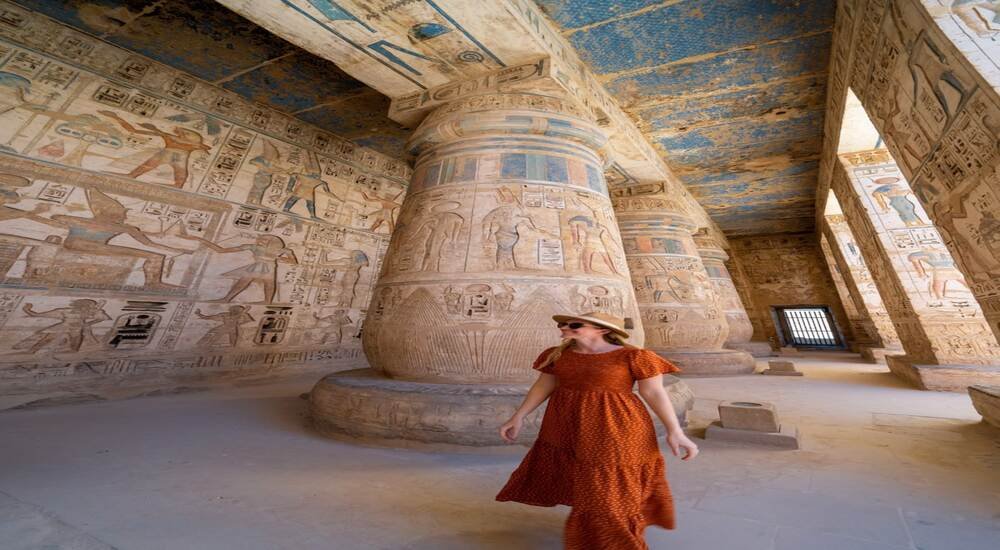
Rising against the desert hills of Luxor’s West Bank, Habu Temple is widely considered one of ancient Egypt’s most spectacular and best-preserved architectural marvels. Serving as the colossal mortuary temple of Pharaoh Ramesses III (20th Dynasty), this 66,000-square-meter fortified complex was constructed during the 12th century BC as both a sacred sanctuary to Amun-Ra and a fortified administrative stronghold.
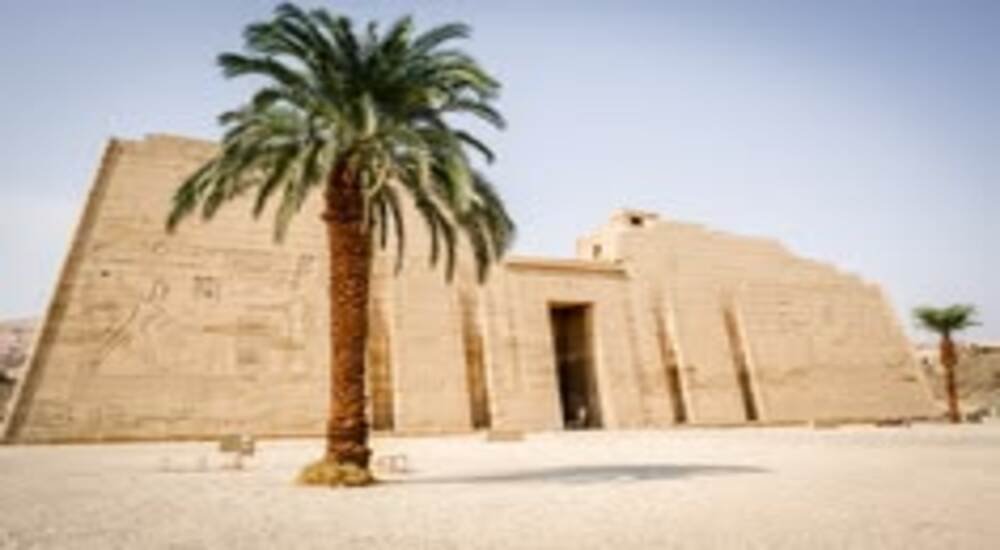
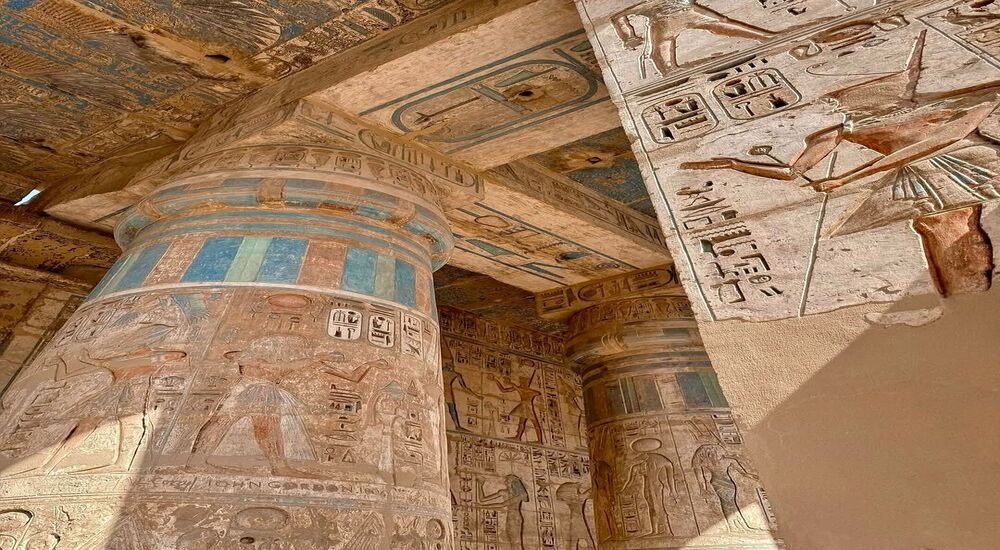
Known in antiquity as United-with-Eternity, Habu Temple is renowned for its monumental Syrian-style gateway (migdol), massive mudbrick defensive walls, soaring Osiris pillars, and vibrant incised wall reliefs that retain their original 3,000-year-old painted pigments.
Our complete Habu Temple guide brings you essential history, relief iconography, visiting hours, and practical travel tips. To explore this West Bank fortress with dedicated guide service, discover our customized Egypt Day Tours
led by expert Egyptologists, or sail Upper Egypt’s historic waterways in luxury aboard our premier Nile Cruise Packages
.
Key Takeaways
- Fortified Mortuary Sanctuary: Built by Ramesses III as a massive royal funerary temple enclosed within heavy fortress walls.
- Naval Battle History: Features world-famous reliefs depicting ancient history’s first recorded naval engagement against the “Sea Peoples.”
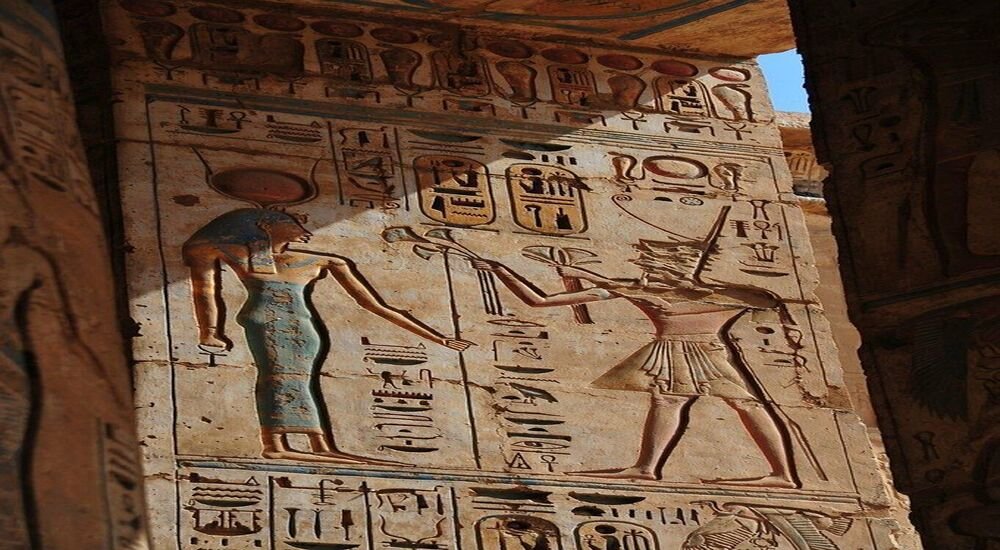
- Deep Relief Carvings: Carvings were executed at extreme depths to prevent future pharaohs from erasing Ramesses III’s royal legacy.
- Vivid Pigments: Preserves some of the most vibrant original ceiling paints and wall colors found anywhere in Thebes.
- West Bank Exploration: Easily combine Habu Temple with nearby monuments using our tailoredEgypt Tour Packages.
Why Medinet Habu Matters
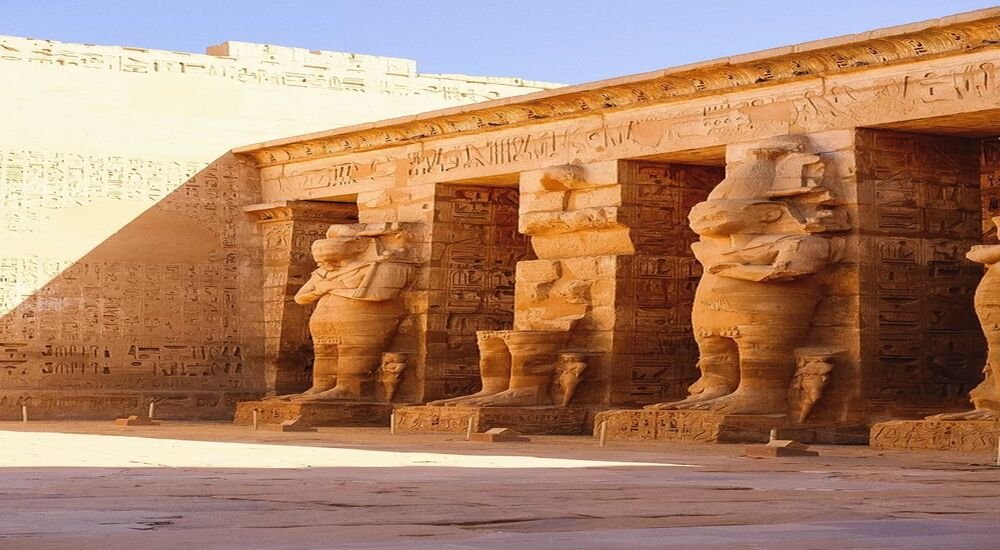
Why does Habu Temple rank among the most essential sites on Luxor’s West Bank? While many pharaonic structures suffered heavy destruction or erosion over millennia, Habu Temple retains its outer enclosure walls, massive towers, and deep wall reliefs, offering an unmatched look at late New Kingdom military and religious architecture.
                 SACRED WEST BANK NECROPOLIS (LUXOR)
 _________________________________________________________________
|  Valley of the Kings   ---> Hidden Royal Tombs                 |
|  Habu Temple        ---> Fortified Funerary Temple of       |
|                             Ramesses III & Administrative Hub   |
|  Colossi of Memnon     ---> Remains of Amenhotep III Temple    |
|_________________________________________________________________|
The Fortress City of Ramesses III
Habu Temple was far more than a place of worship. Surrounded by a double mudbrick fortification wall over 15 meters high, the complex contained royal palaces, administrative offices, workshops, granaries, and residential quarters for priests and officials. During times of foreign invasion or civil strife in late antiquity, local residents fled inside these massive walls for protection, transforming the temple into a walled desert city.
The First Recorded Naval Battle in History
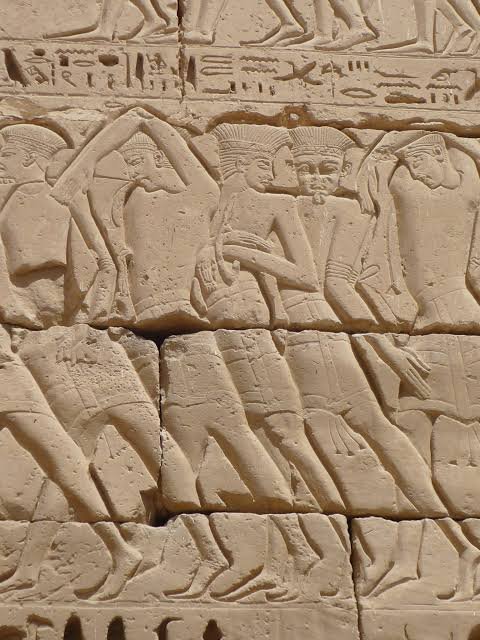
The outer northern walls of Habu Temple feature some of the most significant historical reliefs ever discovered in Egypt. They chronicle Ramesses III’s military victory against the Sea Peoples—a confederation of seafaring invaders who destabilized empires across the Bronze Age Mediterranean. The carvings depict warships, archers, and hand-to-hand combat in vivid, dramatic detail.
Habu Temple Layout & Architectural Plan
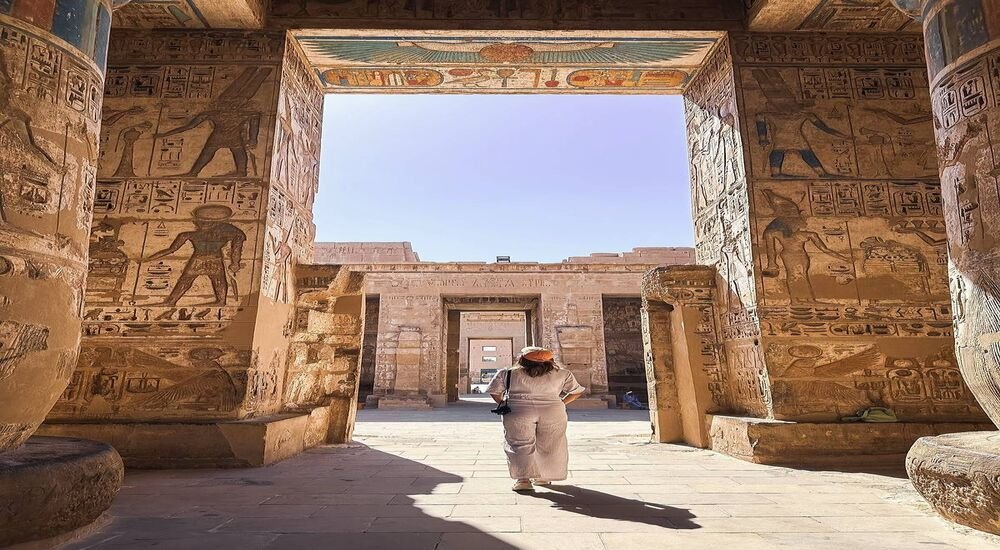
The temple features a unique military-style entrance leading through outer courts, hypostyle halls, and inner sanctuaries dedicated to Amun-Ra and Ramesses III.
                  [ Fortified Migdol Entrance Gate ]
                                  │
                          ┌───────┴───────┐
                          │  First Pylon  │ ◄── Triumphant Sea Peoples Battle Reliefs
                          └───────┬───────┘
                                  │
                      ┌───────────┴───────────┐
                      │      First Court      │ ◄── Royal Palace Facade & Window of Appearance
                      └───────────┬───────────┘
                                  │
                      ┌───────────┴───────────┐
                      │     Second Court      │ ◄── Osiride Pillars & Vibrant Ceiling Paints
                      └───────────┬───────────┘
                                  │
                      ┌───────────┴───────────┐
                      │    Hypostyle Hall     │ ◄── 24 Column Bases & Inner Sanctuaries
                      └───────────┬───────────┘
                                  │
                      ┌───────────┴───────────┐
                      │ Small 18th Dynasty    │ ◄── Older Temple of Amun (Hatshepsut/Thutmose III)
                      │      Sanctuary        │
                      └───────────────────────┘
Architectural Highlights & Iconography
| Feature | Visual Description | Historical Significance |
| Fortified Gate (Migdol) | High stone tower entrance modeled after Syrian military fortresses | Unique architectural entry designed for military protection and royal residence |
| Sea Peoples Reliefs | Exterior north wall carvings depicting ships, archers, and captives | Earliest detailed historical depiction of a major naval battle in world history |
| Window of Appearances | Elevated balcony doorway inside the first courtyard | Where Ramesses III appeared to award gold collars to brave generals and officials |
| Osiride Columns | Towering stone pillars depicting Ramesses III as the god Osiris | Represents royal resurrection and eternal divine authority |
How to Visit Medinet Habu
Situated on the southern edge of Luxor’s West Bank near the Valley of the Queens, Medinet Habu is convenient to visit and usually far less crowded than the Valley of the Kings.
   RECOMMENDED WEST BANK HIGHLIGHTS ROUTE
   __________________________________________________________
  | 1. Valley of the Kings (Early Morning Exploration)      |
  | 2. Temple of Hatshepsut at Deir el-Bahari              |
  | 3. Valley of the Queens or Ramesseum                    |
  | 4. Medinet Habu (Afternoon Light & Intricate Colors)    |
  |_________________________________________________________|
Admission and Opening Hours
- Opening Hours: Daily from 6:00 AM to 5:00 PM.
- Best Time to Visit: Mid-day to late afternoon. The angle of the sun illuminates the deep-cut relief carvings and highlights the vibrant painted ceiling details inside the Second Court.
- Guided Experience: Get the most out of your visit with our expert-led Egypt Day Tours, where professional Egyptologists decode every battle scene and hieroglyphic inscription.
Getting There from Luxor City
- By Taxi / Private Driver: Cross the Nile via the Luxor bridge or ferry, followed by a short 15-minute drive southwest across the West Bank.
- Organized Private Excursion: Enjoy door-to-door air-conditioned transfers across all major landmarks with our customizable Egypt Tour Packages.
Structural Comparison: Medinet Habu vs. Ramesseum
| Feature | Medinet Habu (Ramesses III) | Ramesseum Temple (Ramesses II) |
| Construction Era | 20th Dynasty (12th Century BC) | 19th Dynasty (13th Century BC) |
| Preservation | Outstanding walls, roofs, & original paint | Romantic partial ruins with intact halls |
| Key Attraction | Fortified Migdol Gate & Sea Peoples reliefs | Fallen Colossus of Ozymandias & Granaries |
| Defensive Design | Enclosed inside massive 15m fortress walls | Open mortuary sanctuary design |
Responsible Travel and Site Preservation
As one of the best-preserved sites in Upper Egypt, protecting Medinet Habu’s surviving paint and delicate stone relies on mindful visitor behavior.
To learn more about international conservation standards across ancient Thebes, explore documentation at the UNESCO World Heritage Centre
.
- Protect Original Paint: Never touch or lean against painted ceiling columns or inner wall reliefs.
- Disable Flash: Ensure camera flash is turned off inside shaded courtyards and covered rooms.
- Follow Designated Paths: Stay on paved walkways to protect surrounding mudbrick foundations.
Conclusion
Medinet Habu remains a monumental highlight of ancient Egyptian art and military history. From its formidable fortress towers to the radiant colors preserved across its hypostyle courts, this West Bank sanctuary offers an inspiring journey into the heart of the New Kingdom.
Ready to explore the wonders of ancient Thebes with dedicated local expertise? Book your tour today with our team by choosing from our flexible Egypt Day Tours
, relaxing Nile Cruise Packages
, or all-inclusive Egypt Tour Packages
to experience Egypt’s history in total comfort.
Frequently Asked Questions
Why are the reliefs at Medinet Habu carved so deeply?
Ramesses III instructed his stonemasons to carve hieroglyphs and figures exceptionally deep into the sandstone so that future pharaohs could not easily erase or alter his achievements.
How long does a visit to Medinet Habu take?
A thorough exploration of the outer fortress walls, courtyards, battle reliefs, and inner shrines typically takes 60 to 90 minutes.
Who were the “Sea Peoples” depicted on the walls?
The Sea Peoples were a mysterious confederation of Mediterranean seafaring raiders who attacked cities across the Near East during the Bronze Age Collapse. Ramesses III successfully defeated them in land and sea battles recorded on the temple walls.
Can you visit Medinet Habu alongside the Valley of the Kings?
Yes! Both monuments are located on Luxor’s West Bank, just a 15-minute drive apart, making them easy to combine in a single day tour.