Valley of the Queens
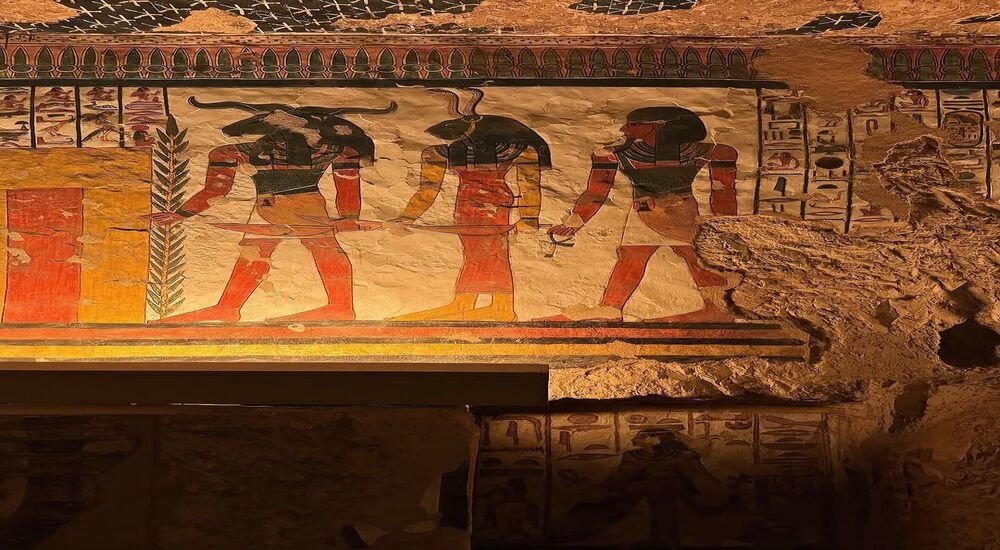
Nestled in the desert cliffs of Luxor’s West Bank, the Valley of the Queens served as the sacred burial site for the wives, princes, and princesses of the New Kingdom’s 18th, 19th, and 20th Dynasties. Known in ancient times as Ta-Set-Neferu—meaning “The Place of Beauty”—this desert wadi contains over 90 rock-cut tombs.
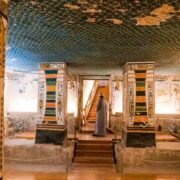
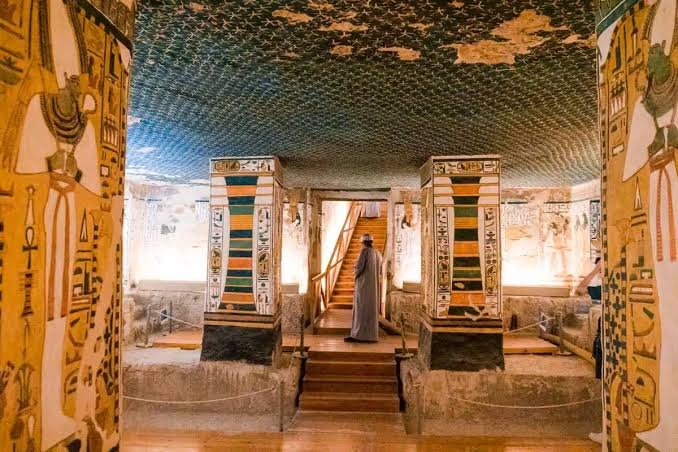
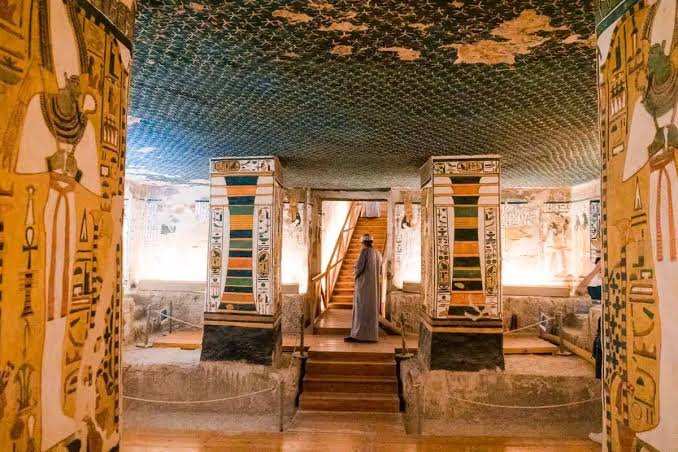
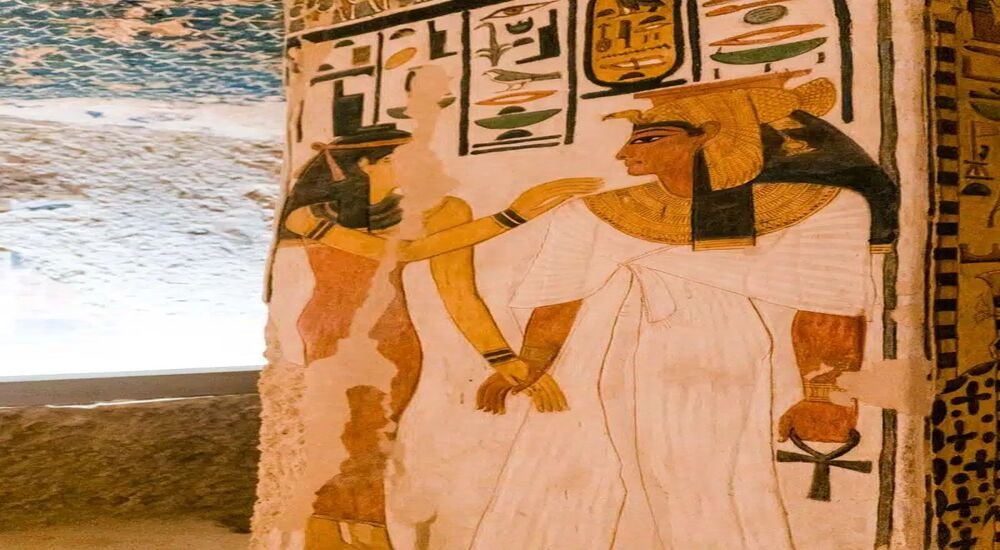
While smaller in scale than the nearby Valley of the Kings, the necropolis houses some of the most extraordinary pharaonic art ever created. Headlining the site is the breathtaking tomb of Queen Nefertari (QV66), widely regarded as the “Sistine Chapel of Ancient Egypt” for its radiant colors and masterfully preserved reliefs.
Our comprehensive Valley of the Queens guide brings you essential historical context, key tomb highlights, ticket details, and practical visiting advice. If you are preparing a journey across ancient Thebes, explore our tailored Egypt Day Tours
to visit the West Bank with dedicated Egyptologists, or sail Upper Egypt’s iconic waterways with our luxury Nile Cruise Packages
.
Key Takeaways
- Ancient Name:Ta-Set-Neferu (“The Place of Beauty”), the primary resting place for queens, royal children, and high officials.
- Crown Jewel: Home to Queen Nefertari’s tomb (QV66), celebrated worldwide for its vibrant, unfaded wall paintings.
- Included Tombs: Standard admission grants entry to three featured tombs, including Princes Khaemwaset (QV44) and Amun-her-khepeshef (QV55).
- Visiting Strategy: Combine your trip seamlessly with nearby West Bank sites through our customizableEgypt Tour Packages.
Why the Valley of the Queens Matters
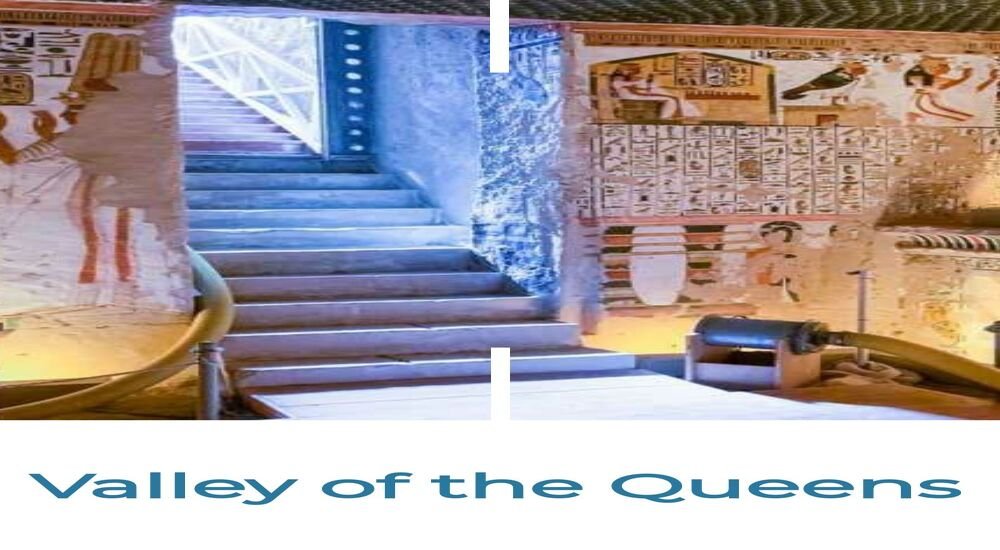
Why does this quiet desert valley hold such profound importance in Egyptian archaeology? While pharaohs carved immense tombs in the main valley, their royal consorts and children were laid to rest nearby in tombs designed to guide their souls through the underworld into eternal rebirth.
                 SACRED WEST BANK NECROPOLIS (LUXOR)
 _________________________________________________________________
|  Valley of the Kings   ---> Burials of Pharaohs                 |
|  VALLEY OF THE QUEENS  ---> Burials of Queens, Princes & Royal  |
|                             Children (Ta-Set-Neferu)            |
|  Mortuary Temples      ---> Hatshepsut, Medinet Habu, Ramesseum |
|_________________________________________________________________|
Royal Consorts & Beloved Princes
The valley was chosen for its proximity to the sacred mountain peak of Deir el-Bahari and its natural rock formations. Among its most prominent royal occupants:
- Queen Nefertari: The beloved Great Royal Wife of Ramesses II.
- Prince Khaemwaset (QV44): A son of Ramesses III whose tomb features vivid scenes showing him introduced to underworld deities.
- Prince Amun-her-khepeshef (QV55): Another son of Ramesses III; his tomb famously preserves a mummified 5-month fetus discovered during excavation.
- Queen Titi (QV52): A royal wife and daughter from the 20th Dynasty featuring colorful depictions of protective guardians.
Site Map & Architectural Layout
The tombs of the Valley of the Queens feature a streamlined layout compared to the complex corridors of the pharaohs, descending gently into pillared burial chambers.
                         [ Visitor Entrance & Plaza ]
                                     │
                             ┌───────┴───────┐
                             │  Main Wadi    │
                             └───────┬───────┘
                                     │
             ┌───────────────────────┼───────────────────────┐
             │                       │                       │
     ┌───────┴───────┐       ┌───────┴───────┐       ┌───────┴───────┐
     │ Tomb of Titi  │       │ Nefertari     │       │ Khaemwaset    │
     │    (QV52)     │       │ (QV66)*       │       │    (QV44)     │
     └───────────────┘       └───────┬───────┘       └───────────────┘
                                     │
                             ┌───────┴───────┐
                             │ Amun-her-     │
                             │ khepeshef     │
                             │    (QV55)     │
                             └───────────────┘
  (*Nefertari's tomb requires a separate special entry ticket)
Key Highlights & Relief Iconography
| Feature | Visual Description | Historical Significance |
| Nefertari’s Tomb (QV66) | Luminous plaster wall paintings depicting the Book of the Dead | Demonstrates the absolute pinnacle of New Kingdom artistic refinement |
| Tomb of Khaemwaset (QV44) | Well-preserved reliefs with vibrant cobalt blue backgrounds | Shows Ramesses III presenting his young son to gods of the afterlife |
| Amun-her-khepeshef (QV55) | Detailed paintings showing the prince wearing the side-lock of youth | Preserves intimate family funerary rituals and a glass display of a royal fetus |
| Tomb of Queen Titi (QV52) | Wall paintings of jackals, lions, and winged deities | Depicts protective spells ensuring the Queen’s passage to the underworld |
How to Visit the Valley of the Queens
Located on the southern end of the Theban Necropolis, visiting the Valley of the Queens is straightforward and pairs naturally with nearby West Bank sites like Medinet Habu and Deir el-Medina.
   RECOMMENDED WEST BANK DAY TOUR ROUTE
   __________________________________________________________
  | 1. Valley of the Kings (Early Morning)                  |
  | 2. Temple of Hatshepsut                                 |
  | 3. Valley of the Queens & Nefertari's Tomb              |
  | 4. Medinet Habu & Colossi of Memnon                     |
  |_________________________________________________________|
Opening Hours and Entry Options
- Opening Hours:Open daily from 6:00 AM to 5:00 PM.
- Standard Ticket:Covers general access to the valley and three open tombs (typically QV44, QV55, and QV52).
- Nefertari Ticket (QV66): Requires a separate premium entry ticket. Timed access is enforced to preserve the humidity-sensitive pigments inside.
- Guided Experience: Ensure a smooth visit by exploring with our team on our private Egypt Day Tours, complete with expert Egyptologist commentary and comfortable transfers.
Getting There from Luxor Hotels & Cruises
- By Taxi / Private Driver: Cross the Luxor Nile Bridge or take the public ferry to the West Bank, followed by a short 15-minute drive.
- Organized Private Excursion: Enjoy door-to-door air-conditioned transfers as part of our all-inclusive Egypt Tour Packages.
Structural Comparison: Valley of the Kings vs. Valley of the Queens
| Feature | Valley of the Queens (Ta-Set-Neferu) | Valley of the Kings (Ta-Imiat) |
| Primary Burials | Queens, princesses, princes, high officials | Reigning Pharaohs of the New Kingdom |
| Tomb Layouts | Shorter, simpler descending corridors | Deep, multi-chambered subterranean axes |
| Crown Jewel Tomb | Tomb of Nefertari (QV66) | Tomb of Tutankhamun (KV62) / Seti I (KV17) |
| Crowd Density | Moderate & peaceful | High tourist traffic |
Responsible Travel and Site Preservation
The tombs in the Valley of the Queens feature delicate plaster and organic paint pigments that are vulnerable to heat and moisture.
To learn more about ongoing restoration and conservation across the ancient Theban Necropolis, visit the UNESCO World Heritage Centre
.
- Protect the Paintings: Avoid touching painted walls or leaning against protective glass barriers.
- Mind Moisture Rules: Keep visits inside small tomb chambers brief to limit humidity accumulation.
- Follow Photography Rules: Ensure flash is disabled on all personal devices at all times.
Conclusion
The Valley of the Queens stands as an unforgettable tribute to the royal women and children of ancient Egypt. From the peerless artistic perfection inside Queen Nefertari’s tomb to the vivid stories carved across royal princes’ resting places, this West Bank sanctuary offers an inspiring window into New Kingdom faith and beauty.
Ready to explore the treasures of Luxor with local expertise? Book your tour today with our team by choosing from our flexible Egypt Day Tours
, relaxing Nile Cruise Packages
, or comprehensive Egypt Tour Packages
to experience Egypt’s legendary heritage in comfort.
FAQ
How long should I spend at the Valley of the Queens?
A typical visit to explore the three standard tombs plus Queen Nefertari’s tomb takes roughly 1 to 1.5 hours.
Is the Tomb of Nefertari included in standard entry?
No. Standard admission includes entry to three general tombs (such as QV44, QV55, or QV52). Visiting Queen Nefertari’s tomb (QV66) requires a separate special entry ticket.
Why is Queen Nefertari’s tomb so famous?
Nefertari’s tomb is renowned as the finest artistic masterpiece in Egypt. The paintings are exceptionally well-preserved, featuring intense plaster reliefs, radiant pigments, and vivid mythological scenes from the Book of the Dead.
Can you visit the Valley of the Queens and Valley of the Kings on the same day?
Yes! Both valleys are located on Luxor’s West Bank, just a 15-minute drive apart, making them easy to combine in a single morning or day tour.