Valley of the Kings Guide to Egypt’s Royal Tombs
Stepping into Luxor feels like traveling back in time. Among its many wonders, this historic site stands out as a premier destination for travelers. It serves as a final resting place for pharaohs from the New Kingdom era.
These Egypt royal tombs were carved deep into desert cliffs to protect sacred treasures from grave robbers. Exploring this vast necropolis offers a unique glimpse into ancient burial rituals and artistic mastery.
Our comprehensive Valley of the Kings guide helps you navigate this iconic archaeological site with ease. Whether you want to discover famous pharaonic burial chambers or find practical travel tips, this complete Valley of the Kings guide covers everything you need to know
Key Takeaways
- Discover the historical significance of ancient pharaonic burial sites.
- Learn how to plan your visit to maximize your time in Luxor.
- Understand the best strategies for purchasing tickets and avoiding queues.
- Get practical tips on transportation and local weather conditions.
- Explore the most famous chambers within this iconic desert landscape.
Why Use a Valley of the Kings Guide for Your Luxor Trip?
Why did the most powerful leaders of the ancient world choose a hidden desert canyon for their final resting place? For centuries, the New Kingdom pharaohs sought a location that offered both security and spiritual significance. This remote site provided the perfect sanctuary to protect their physical remains and treasures from tomb robbers.
How a Desert Valley Became a Royal Necropolis
The shift from building massive pyramids to carving deep, hidden chambers marked a major change in royal burial customs. Rulers realized that the visible, towering pyramids of the Old Kingdom were essentially magnets for thieves. By moving to this secluded valley, they hoped to ensure their eternal peace through secrecy and clever architectural design.
The valley’s natural geography played a crucial role in this transformation. Surrounded by steep limestone cliffs, the area provided a natural amphitheater that felt both isolated and grand. This transition turned a simple desert wadi into the most prestigious burial ground in the ancient world.
The New Kingdom Pharaohs Buried Here
During the height of the Egyptian Empire, the New Kingdom pharaohs transformed this landscape into a royal necropolis. It was not just a place for kings; queens, princes, and high-ranking nobles were also laid to rest within these sacred walls. This concentration of power and wealth created a unique historical record of an entire era.
The site served as the final home for legendary figures who expanded Egypt’s borders and influence. Their presence here solidified the valley’s status as a site of immense political and religious importance. Every tomb tells a story of a ruler striving to secure their place among the gods.
What Makes the Valley Different From Other Ancient Egyptian Sites
Unlike the open-air temples or the massive pyramids, these ancient Egyptian tombs are defined by their subterranean complexity. The walls are covered in intricate hieroglyphs and religious texts designed to guide the soul through the afterlife. This focus on internal decoration rather than external monuments makes the valley a unique archaeological treasure.
The preservation of these sites offers a rare glimpse into the spiritual beliefs of the time. While other sites have suffered from erosion or human interference, the hidden nature of these chambers has kept much of their beauty intact. It remains a profound experience to walk through corridors that have held the secrets of the pharaohs for thousands of years.
Using a detailed Valley of the Kings guide allows travelers to appreciate why New Kingdom pharaohs chose this remote desert wadi over traditional pyramids.
Valley of the Kings Guide: Location, Layout, and Setting
If you are curious about the specific Valley of Kings location, you will find it nestled deep within the limestone cliffs across from modern Luxor. This sacred site sits on the rugged West Bank of the Nile, far removed from the bustling city life of the East Bank.
Where the Valley Sits Across From Modern Luxor
The site is situated in a desolate, rocky gorge that feels worlds away from the lush greenery of the Nile Valley. Travelers arriving in Luxor, Egypt, will typically cross the river by boat or bridge to reach this historic necropolis. The journey itself provides a striking contrast between the fertile riverbanks and the harsh, arid desert landscape that holds the royal tombs.
East Valley and West Valley Explained
As any detailed Valley of the Kings guide will highlight, the site is split into the heavily visited East Valley and the quieter West Valley.
- East Valley: Home to the majority of the royal burials and the most popular tourist paths.
- West Valley: A quieter, more secluded area often called the “Valley of the Monkeys,” containing fewer tombs.
Desert Terrain, Cliffs, and Walking Distances
Navigating the site requires a bit of physical effort, as the terrain is primarily composed of loose gravel and steep limestone slopes. You should expect to walk significant distances between the visitor center and the various tomb entrances. The paths are often uneven, so wearing sturdy footwear is highly recommended for your comfort.
How the Landscape Helped Protect Royal Tombs
The natural geography served as a natural fortress for the pharaohs. The towering cliffs and narrow, winding wadis were chosen specifically to hide the entrances from tomb robbers. This secluded setting ensured that the royal burials remained undisturbed for centuries, shielded by the sheer scale of the surrounding rock formations.
What the Climate Means for Visitors
The desert climate in Luxor, Egypt, is intense, especially during the midday hours. With little natural shade available, the sun reflects off the light-colored limestone, creating high temperatures that can be quite draining. It is vital to carry plenty of water and wear protective clothing to stay safe while exploring the Valley of Kings location.
How Royal Tombs Were Designed and Decorated
Ancient Egyptian tombs were far more than simple burial sites; they were complex machines designed for eternity. These structures served as a bridge between the mortal world and the divine realm. Every inch of space was carefully planned to ensure the pharaoh reached the afterlife safely.
The Typical Path From Entrance to Burial Chamber
Visitors today follow a path that mirrors the journey of the soul. Most Egypt royal tombs begin with a steep, descending corridor that leads deep into the limestone bedrock. These passages often open into pillared halls and smaller side chambers before reaching the final resting place.
The burial chamber itself was usually the deepest point of the structure. It was designed to be a secure, hidden sanctuary for the king’s physical body. This layout was intended to protect the ruler from intruders while providing a space for eternal rest.
Hieroglyphs, Religious Texts, and Afterlife Imagery
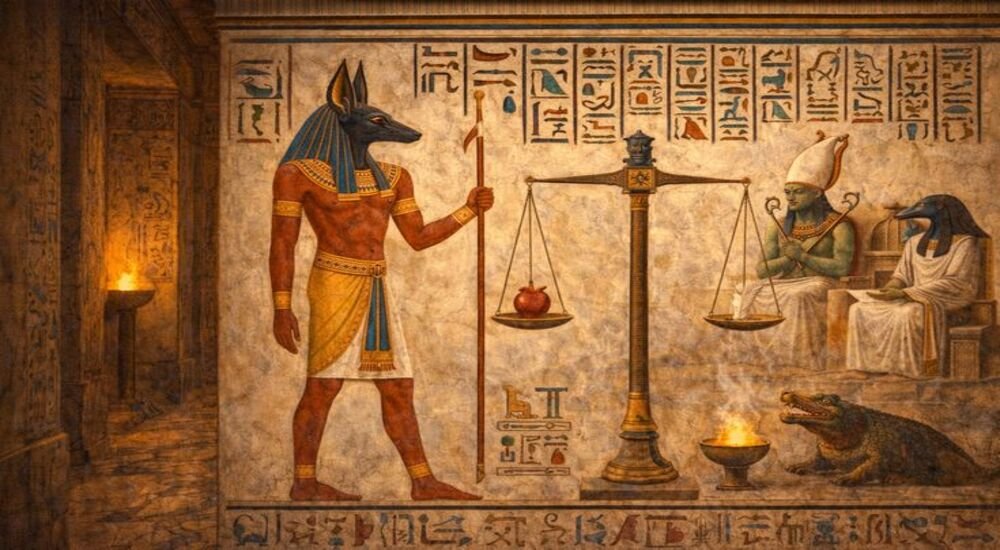
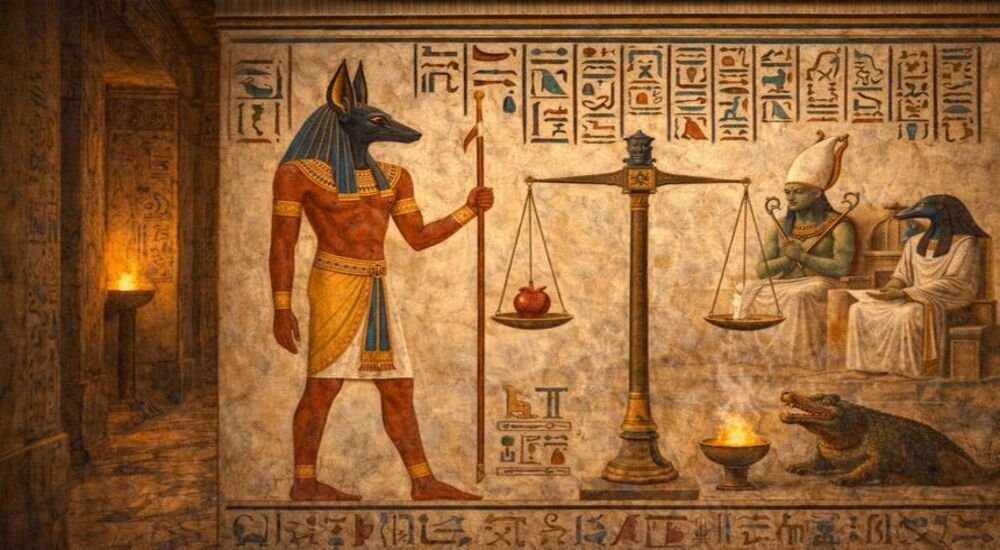
The walls of these ancient Egyptian tombs are covered in intricate carvings and vibrant paintings. These are not merely decorative; they are functional maps for the deceased. They feature spells from the Book of the Dead and other funerary texts to guide the king through the underworld.
- Painted Deities: Images of gods like Osiris and Anubis protect the king.
- Celestial Maps: Scenes of the sun god Ra’s journey across the sky.
- Protective Spells: Hieroglyphs meant to ward off evil spirits.
Burial Equipment, Sarcophagi, and Lost Treasures
Inside the burial chamber, the pharaoh was placed within a massive stone sarcophagus. This heavy container acted as the final layer of protection for the royal mummy. Surrounding the sarcophagus were various burial goods, including golden statues, jewelry, and food offerings.
While many of these treasures were removed by looters in antiquity, the remaining artifacts tell a story of immense wealth. These items were essential for the king to sustain his spirit in the next life. Today, we view these remnants as vital clues to understanding the Valley of Kings tombs.
Why Tomb Decoration Changes Between Dynasties
Styles of decoration shifted significantly as the New Kingdom progressed. Early designs focused on simple, stark white walls with minimal text. Later dynasties, however, embraced elaborate, colorful scenes that covered every available surface.
These changes reflect evolving religious beliefs and the desire of each pharaoh to leave a unique mark. The complexity of the artwork often grew as the political power of the state changed over time.
How Ancient Builders Worked Beneath the Mountain
Constructing these monuments was a feat of engineering. Skilled workers used copper chisels and stone hammers to carve deep into the solid rock. They relied on oil lamps for light, which left behind soot that can still be seen on some ceilings today.
The work was dangerous and required precise planning to avoid structural collapses. Despite the harsh conditions, the builders created masterpieces that have survived for thousands of years. Their dedication ensures that these Egypt royal tombs remain a testament to human ingenuity.
Valley of the Kings Guide: Selecting the Best Tombs
Among the many Valley of Kings tombs, a few stand out for their incredible preservation and historical significance. These sites offer a rare glimpse into the lives and beliefs of the New Kingdom pharaohs. Each structure tells a unique story through its architecture and intricate wall carvings.
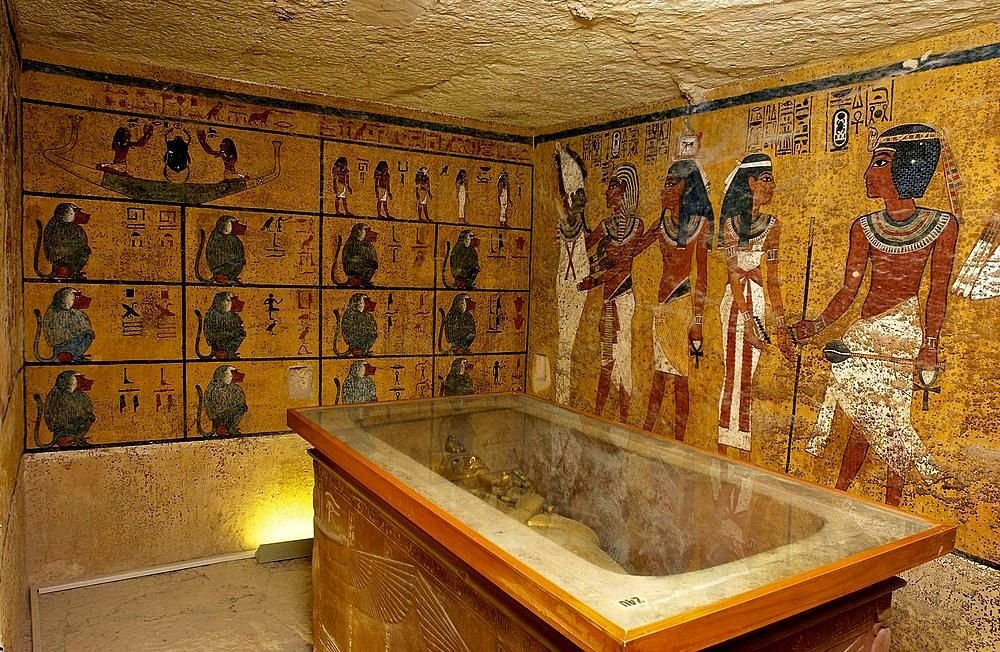
KV62: Tutankhamun’s Exceptionally Famous Tomb
The Tutankhamun tomb is arguably the most recognizable site in the entire necropolis. Despite its relatively small size compared to other royal burials, its historical weight is unmatched.
What Visitors See Inside Tutankhamun’s Tomb
When you enter KV62, you are stepping into a space that remained hidden for millennia. While the famous golden treasures are now housed in museums, the burial chamber still contains the pharaoh’s original sarcophagus. You can also view the remarkably preserved wall paintings that decorate the small, intimate rooms.
Why the Tomb’s Discovery Changed Egyptology
The 1922 discovery of this site brought worldwide attention to the study of ancient Egypt. It provided scholars with an unprecedented look at royal burial customs that had remained untouched by tomb robbers. This event sparked a global fascination with archaeology that continues to this day.
KV17: Seti I’s Long and Elaborate Tomb
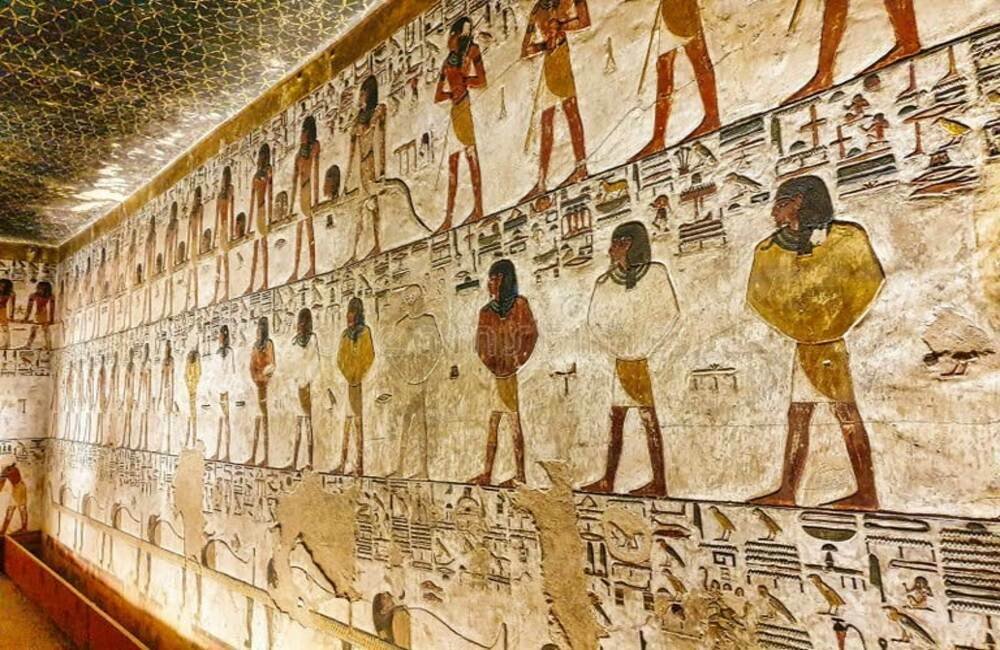
Often considered the finest example of ancient Egyptian artistry, the Seti I tomb is a masterpiece of design. It is the longest and deepest tomb in the valley, featuring stunningly detailed reliefs. The vibrant colors on the walls remain breathtakingly vivid even after thousands of years.
KV9: The Shared Tomb of Ramesses V and Ramesses VI
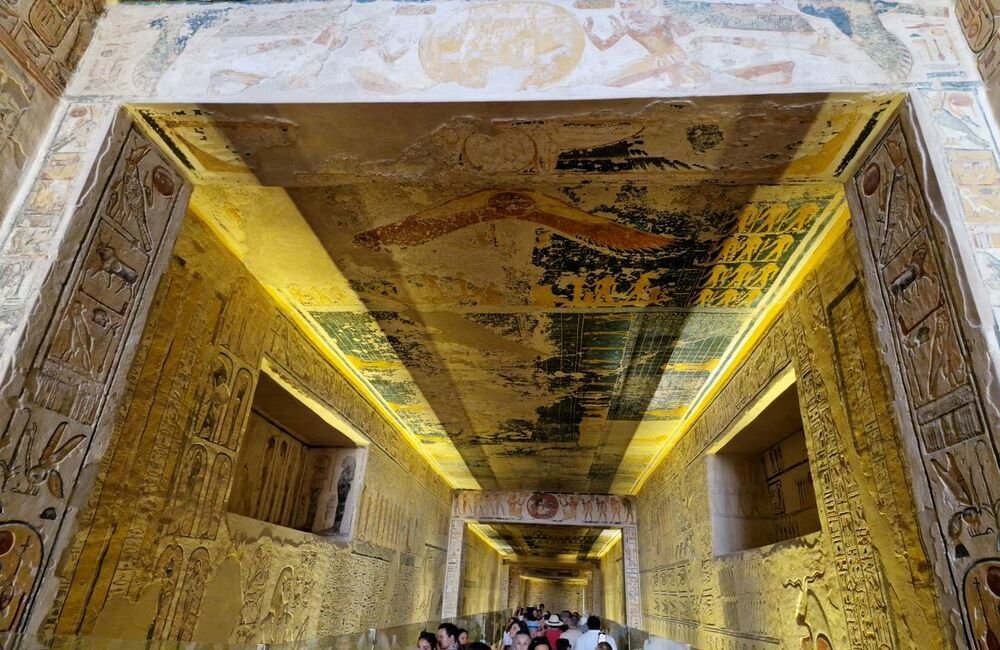
This site is a prime example of the Ramesses tombs, known for their massive scale and complex corridors. It was originally started by Ramesses V but later expanded and usurped by his successor. Visitors are often struck by the sheer height of the ceilings and the extensive astronomical texts carved into the stone.
KV14: The Tomb of Tausret and Setnakht
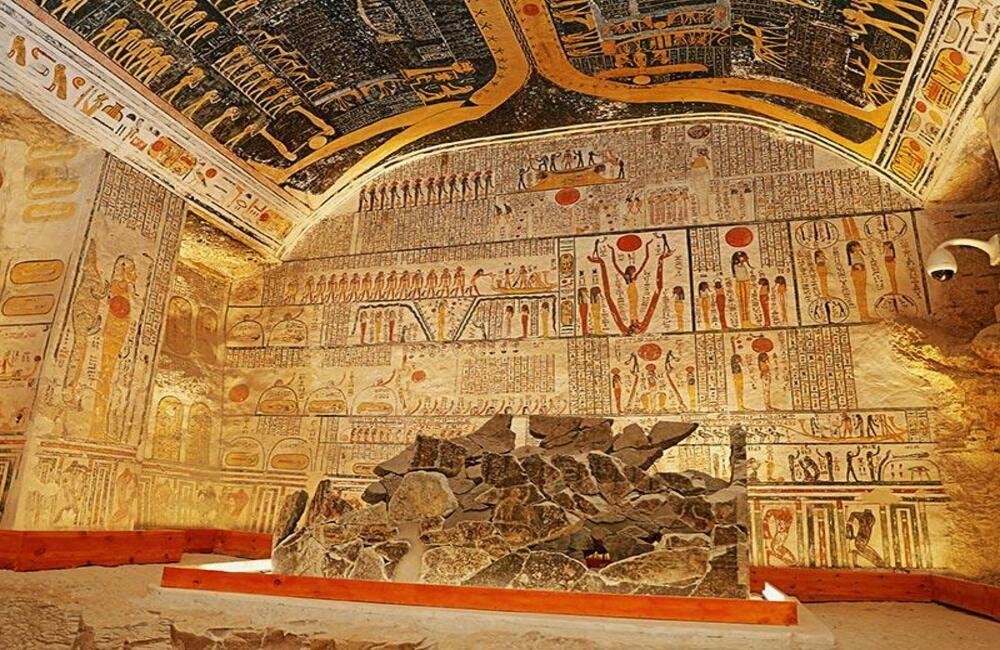
This fascinating tomb reflects the complex political shifts of the late New Kingdom. It was originally constructed for Queen Tausret, who ruled as a pharaoh in her own right. Later, it was repurposed for Setnakht, creating a unique architectural blend that highlights the turbulent history of the era.
KV11: The Tomb of Ramesses III
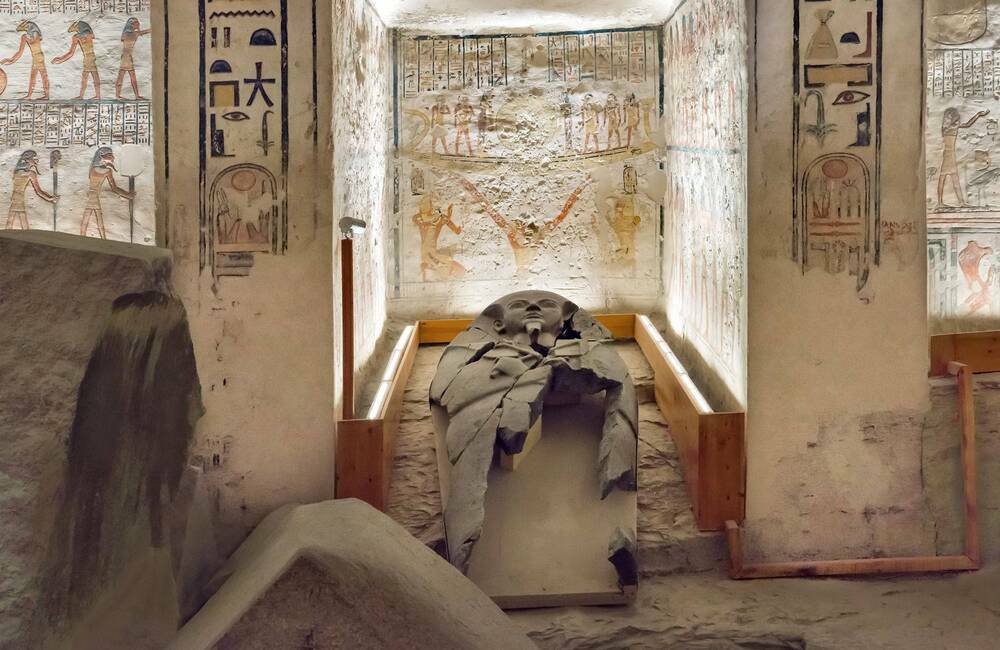
Known as the “Tomb of the Harpers,” this site is famous for its unique side chambers. These rooms depict scenes of daily life and religious rituals that differ from the standard royal iconography found in other Ramesses tombs. It remains a favorite for those who appreciate the artistic diversity of the valley’s burial sites.
Other Tombs Worth Seeing During Your Visit
While the most famous burials often draw the largest crowds, many other hidden gems await discovery in the necropolis. Exploring these Valley of Kings tombs allows you to appreciate the evolution of ancient Egyptian art and architecture without the pressure of long lines. Each site offers a unique window into the lives and beliefs of the New Kingdom rulers.
KV2: The Tomb of Ramesses IV
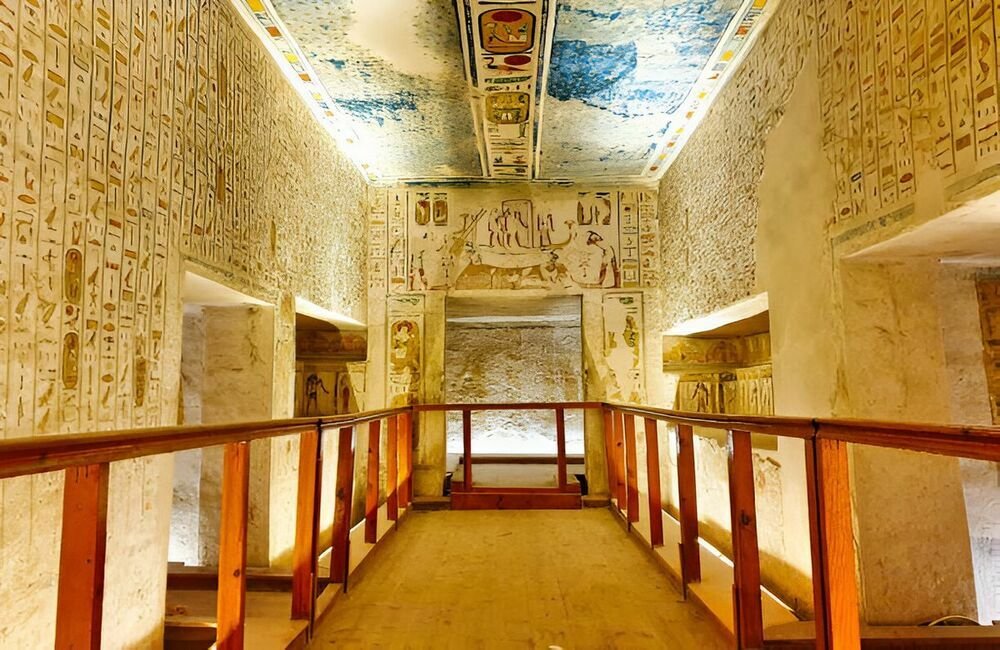
This tomb is highly accessible and features remarkably well-preserved wall decorations. You will find extensive religious texts, including the Litany of Ra, which cover the walls in vibrant detail. It is a perfect example of the grand scale often associated with Ramesses tombs.
KV6: The Tomb of Ramesses IX
The decoration in this tomb is noted for its distinct artistic style and astronomical themes. As you walk through the corridors, notice the intricate depictions of the sky goddess Nut. These celestial scenes provide a fascinating look at how the pharaohs viewed their journey into the afterlife.
KV8: The Tomb of Merenptah
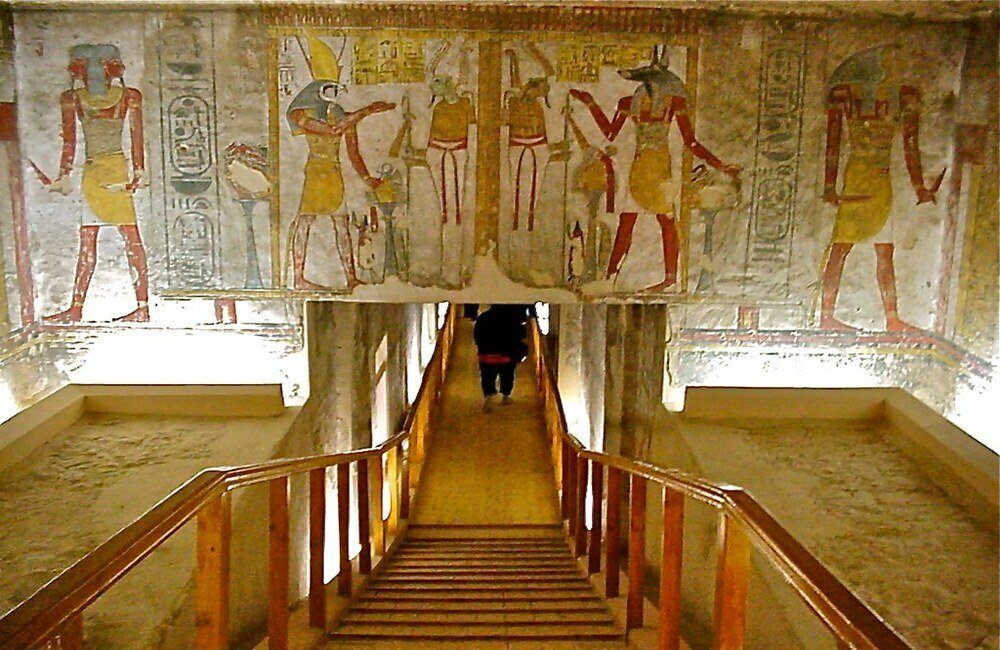
Merenptah’s final resting place is famous for its massive scale and impressive granite sarcophagus lid. The tomb descends deep into the bedrock, showcasing the engineering prowess of the era. It remains a must-see destination for those interested in the sheer physical power of royal construction.
KV19: The Tomb of Prince Montuherkhepeshef
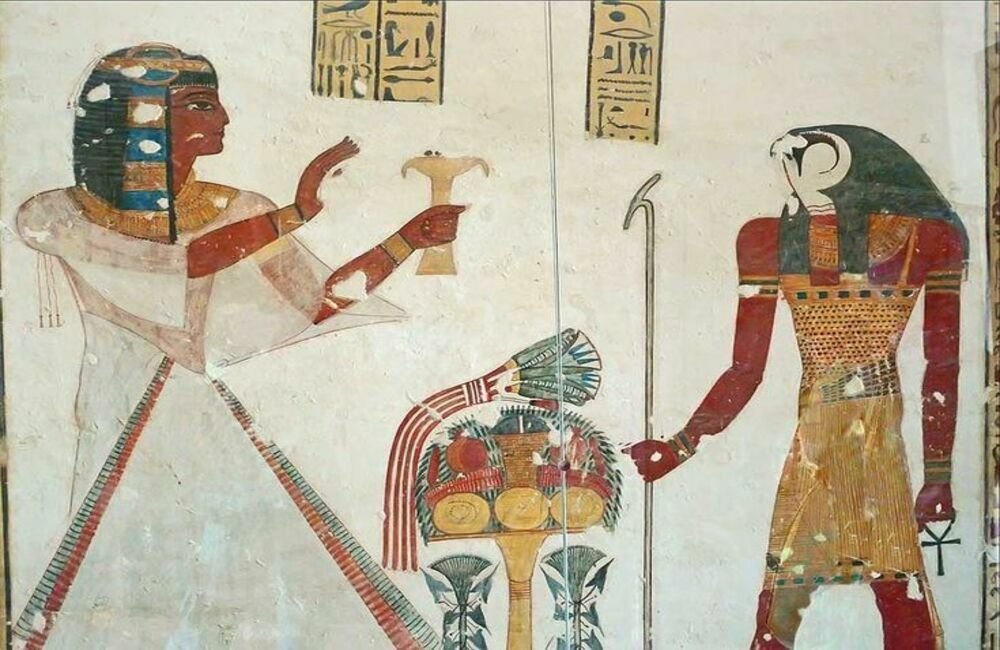
Unlike the larger royal burials, this tomb is smaller but incredibly intimate. It was prepared for a prince, and the artwork displays a level of refinement that is truly breathtaking. The colors remain vivid, offering a rare glimpse into the funerary art dedicated to royal family members.
How to Choose Tombs When Time or Tickets Are Limited
When your schedule is tight, prioritize tombs based on your personal interests in history or art. If you prefer grand architecture, focus on the larger Ramesses tombs. If you enjoy detailed hieroglyphs, smaller sites like KV19 might be more rewarding.
| Tomb Number | Pharaoh/Owner | Key Highlight |
|---|---|---|
| KV2 | Ramesses IV | Excellent preservation |
| KV6 | Ramesses IX | Astronomical art |
| KV8 | Merenptah | Massive sarcophagus |
| KV19 | Prince Montuherkhepeshef | Intimate, vivid art |
Valley of the Kings Guide: Tickets, Hours, and Rules
Navigating the entry requirements is the first step toward exploring these ancient royal tombs. Understanding the logistics ensures that your visit remains smooth and stress-free while you discover the wonders of the New Kingdom.
https://egymonuments.gov.eg/](https://egymonuments.gov.eg/
Standard Admission and What It Usually Covers
Understanding ticket options is a vital part of planning, and this Valley of the Kings guide breaks down what is included in standard entry versus special access passes.
Separate Tickets for Tutankhamun’s Tomb and Special Tombs
Some of the most famous burial chambers require an additional fee beyond the standard entry. For instance, visiting the Tutankhamun tomb is a separate experience that demands a specific ticket purchase at the gate.
“The preservation of these sites is a collective responsibility that requires strict adherence to visitor guidelines to ensure they survive for future generations.”
Other highly decorated tombs, such as those of Seti I or Ramesses VI, often carry an extra cost due to their fragile state and the intensive conservation efforts required to keep them open to the public.
| Ticket Type | Access Level | Cost Category |
|---|---|---|
| Standard Pass | 3 General Tombs | Base Price |
| Tutankhamun Tomb | KV62 Only | Premium |
| Special Tombs | Individual Entry | Variable |
How Ticket Policies and Opening Hours Can Change
It is important to remember that Valley of Kings opening hours and pricing structures are subject to change without much notice. Local authorities frequently adjust these rules based on conservation needs or seasonal demand.
Always check the latest updates from official tourism boards before you travel. Staying flexible with your itinerary will help you adapt if a specific tomb is closed for maintenance during your visit.
Photography, Video, and Flash Restrictions
Photography rules are strictly enforced to protect the delicate pigments on the tomb walls. While basic photography is often permitted with a standard ticket, professional equipment is strictly prohibited.
When a Photography Permit May Be Required
If you plan to use a tripod or professional lighting, you must obtain a special permit in advance. Without this, you are limited to handheld devices, and you must ensure that your flash is turned off at all times.
Rules That Help Preserve the Wall Paintings
The Valley of Kings opening hours are designed to manage the flow of visitors and limit the humidity levels inside the chambers. By following these rules, you contribute to the long-term survival of the Tutankhamun tomb and other priceless historical treasures.
How to Get to the Valley of the Kings From Luxor
Planning your journey to the ancient burial grounds requires a bit of local knowledge. Whether you are staying in the heart of the city or near the quiet fields of the West Bank, understanding how to get to Valley of Kings is essential for a smooth experience.
Reaching the Site From Luxor’s East Bank
Most visitors stay on the East Bank, where the main hotels and the famous temple complexes are located. To reach the Valley of the Kings, you must first cross the Nile River to the West Bank. You can take a public ferry, a private motorboat, or drive across the bridge located south of the city.
Once you arrive on the West Bank, you will need to arrange local transport to reach the desert entrance. The drive from the riverbank to the ticket office takes about 20 to 30 minutes through scenic rural landscapes.
Traveling From the West Bank Hotels and Attractions
If you choose to stay in a hotel on the West Bank, you are much closer to the archaeological sites. Many local guesthouses offer shuttle services or can help you hire a reliable driver for the morning. This proximity allows for a more relaxed start to your day in Luxor Egypt.
Taxi, Private Driver, Tour, and Bicycle Options
Travelers have several ways to navigate the area. Hiring a private driver for the day is often the most convenient choice, as they will wait for you while you explore the tombs. Organized tours are also popular, providing a hassle-free experience with transportation included.
While some adventurous visitors rent bicycles, keep in mind that the road to the site involves a steady uphill climb in the desert heat. Taxis are readily available, but always ensure you agree on the price before you start your journey.
What to Confirm With a Driver Before Leaving
Communication is key when hiring a driver in Luxor Egypt. Always confirm the total round-trip price, the expected waiting time, and your final drop-off location. It is helpful to have your hotel name written down to avoid any confusion at the end of your visit to the Valley of the Kings.
Why Early Transportation Can Make the Visit Easier
Starting your day early is the best strategy to beat the intense desert sun and the largest crowds. By leaving your accommodation at sunrise, you ensure a cooler, more comfortable walk through the tombs. Early transport also guarantees you have enough time to see your preferred sites before the midday heat peaks.
When to Visit and How Much Time to Allow
This Valley of the Kings guide recommends arriving early in the morning during winter months (November to February) to avoid extreme heat.
Best Months for Cooler Temperatures and Smaller Crowds
The best time to visit Valley of Kings is during the winter months, specifically from November to February. During this period, daytime temperatures are much more manageable, allowing you to walk between tombs without feeling overwhelmed by the heat.
Visiting during these months also helps you avoid the peak summer intensity. While you might encounter more tourists during the winter, the cooler air makes the experience significantly more pleasant than braving the desert sun in June or July.
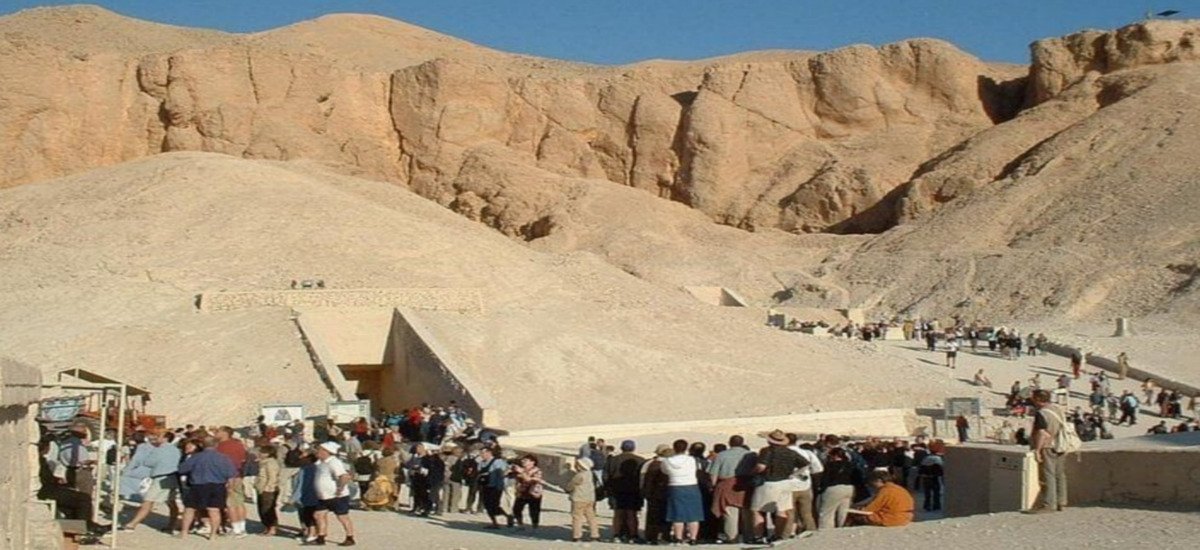
Why Early Morning Is Usually the Most Comfortable
Regardless of the season, arriving as soon as the gates open is a smart strategy. The early morning hours offer the coolest temperatures of the day and allow you to explore the most popular tombs before the large tour buses arrive.
By starting your day early, you can finish your primary exploration before the midday sun reaches its peak. This approach ensures you have enough energy to enjoy the rest of your day without feeling completely exhausted.
Suggested Visit Length for Three, Five, or More Tombs
The amount of time you spend at the site depends on your personal interest in archaeology and history. Most standard tickets allow entry into three tombs, which typically takes about two to three hours to complete thoroughly.
If you plan to purchase extra tickets for special tombs, you should budget at least four to five hours. Below is a guide to help you manage your time effectively based on your goals:
| Visit Scope | Estimated Time | Energy Level |
|---|---|---|
| Standard (3 Tombs) | 2 – 3 Hours | Moderate |
| Extended (5+ Tombs) | 4 – 6 Hours | High |
| Full Exploration | Full Day | Very High |
Planning Around Luxor’s Temples and Nile Cruises
Integrating the Valley of the Kings into your broader Luxor itinerary requires a bit of balance. Many travelers choose to visit the West Bank in the morning and save the East Bank temples, like Karnak or Luxor Temple, for the late afternoon or evening.
If you are arriving via one of our customized Nile River cruises, check your ship’s schedule carefully to ensure you have enough time for a proper visit.
https://www.egypt-tia-tour.com/nile-cruises/](https://www.egypt-tia-tour.com/nile-cruises/
Practical Tips for a Comfortable Tomb Visit
Navigating the rugged terrain and intense heat of the Valley of the Kings is much easier when you follow a few simple guidelines. These Valley of Kings travel tips will help you stay energized while exploring the final resting places of ancient pharaohs.
What to Wear for Heat, Sun, and Uneven Ground
The desert sun can be unforgiving, so dressing appropriately is your first line of defense. Opt for lightweight, breathable fabrics like linen or cotton to keep your body temperature regulated.
Loose-fitting clothing provides excellent protection against the sun while allowing for airflow. Always wear a wide-brimmed hat and sunglasses to shield your face and eyes from the harsh glare reflecting off the limestone cliffs.
Water, Sun Protection, and Essential Day-Bag Items
Carrying a small day-bag is essential for keeping your hands free while navigating the site. Pack these items to ensure you remain comfortable throughout your visit:
- High-SPF sunscreen to reapply as needed.
- A reusable water bottle to stay hydrated in the dry heat.
- A portable fan or a cooling towel for quick relief.
- A small notebook or camera for capturing memories.
Stairs, Narrow Passages, and Accessibility Considerations
Visitors should be aware that the tombs are not always easy to access. Many sites feature steep, narrow staircases and long, sloped corridors that descend deep into the earth.
The ground outside the tombs is often uneven, rocky, and sandy. If you have mobility concerns, it is wise to research which tombs offer easier access before you arrive.
Photography Etiquette and Protecting Ancient Surfaces
Capturing the beauty of the hieroglyphs is a highlight for many, but you must follow strict rules. Always turn off your flash, as the bright light can damage the delicate pigments on the walls.
Never touch the painted surfaces or carvings, as the oils from your skin cause irreversible decay. Follow all instructions from site guards to ensure these treasures remain preserved for future generations.
How to Stay Cool Between Tombs
The heat can build up quickly, so take advantage of shaded areas whenever possible. Many visitors find that stepping into the cooler, subterranean air of a tomb provides a refreshing break from the outdoor temperature.
If you feel overheated, retreat to the visitor center or a shaded rest area. Drinking water consistently is the best way to maintain your energy levels throughout the day.
Why Comfortable Shoes Matter
Your choice of footwear is perhaps the most important of all Valley of Kings travel tips. You will be walking on loose gravel, uneven stone steps, and steep inclines for several hours.
| Footwear Type | Suitability | Key Benefit |
|---|---|---|
| Hiking Sandals | High | Breathable with grip |
| Running Shoes | High | Excellent support |
| Flip-flops | Low | Poor stability |
Avoid open-toed shoes that do not secure to your heel. Sturdy sneakers or hiking shoes with good traction will prevent slips and keep your feet protected from the rough desert floor.
Responsible Travel and Preserving Egypt’s Royal Tombs
When you step into the Valley of the Kings, you become a temporary guardian of history. Practicing responsible tourism Egypt ensures that these fragile sites remain intact for those who follow in your footsteps.
How Humidity, Touching, and Crowds Affect the Tombs
The ancient wall paintings inside these tombs are incredibly delicate. Every breath you take adds moisture to the air, which can lead to the growth of mold and the flaking of paint.
Accidental touching is another major concern for preserving ancient Egyptian tombs. The natural oils from human skin can permanently damage the pigments and carved surfaces that have survived for thousands of years.
Large crowds also stir up dust, which settles on the walls and acts like sandpaper over time. By moving slowly and keeping your distance, you help maintain the integrity of these masterpieces.
Respectful Behavior Around Ancient Burial Places
Treating these sites as sacred burial grounds is essential. Please maintain a quiet demeanor to show respect for the pharaohs who were laid to rest here.
Always obey the physical barriers and ropes installed by authorities. Never attempt to touch the walls, mark surfaces, or remove any fragments, no matter how small they may seem.
Supporting Licensed Guides and Local Tourism
Hiring a licensed guide is one of the best ways to support the local economy. These professionals provide deep historical context while ensuring that visitors follow safety protocols.
Choosing local businesses for your transportation and supplies helps the community thrive. This commitment to responsible tourism Egypt creates a sustainable future for the people who live near these historic sites.
What to Do When a Tomb Is Closed or Under Conservation
Sometimes, you may find a specific tomb closed for restoration. Instead of feeling disappointed, view this as a positive sign that preserving ancient Egyptian tombs is being taken seriously.
Conservation work is vital to prevent the loss of irreplaceable art. Treat these closures as a necessary step in protecting our shared cultural heritage rather than a missed opportunity.
Conclusion
We hope this Valley of the Kings guide gives you all the tools needed to plan an unforgettable journey to Luxor’s West Bank. Following this Valley of the Kings guide ensures you explore these ancient tombs safely, comfortably, and respectfully.
FAQ
What is the primary difference between the Valley of the Kings and the Great Pyramids of Giza?
While the Old Kingdom pharaohs built massive pyramids near Cairo, the New Kingdom rulers chose the Valley of the Kings on Luxor’s West Bank for its seclusion. They transitioned to hidden, rock-cut tombs carved deep into the limestone cliffs of the Theban Necropolis to better protect their mummies and treasures from tomb robbers, a major shift in Ancient Egyptian funerary architecture.
How many tombs can I see with a standard admission ticket?
A standard entry ticket typically allows you to visit three royal tombs of your choice from the list of those currently open to the public. Popular options often include the tombs of Ramesses IV (KV2), Ramesses IX (KV6), and Merenptah (KV8). Note that specific tombs may close periodically for conservation by the Ministry of Tourism and Antiquities.
Is the tomb of Tutankhamun (KV62) included in the general entry price?
No, the tomb of Tutankhamun, famously discovered by Howard Carter in 1922, requires a separate entry ticket. While it is smaller than other royal burials, it is the only tomb where you can still see the boy king’s original mummy on display. However, most of the “treasures of Tutankhamun” are now housed at the Grand Egyptian Museum in Giza.
Which tomb is considered the most spectacular in the entire valley?
Many scholars and travelers consider the Tomb of Seti I (KV17) to be the finest. It is the longest and deepest tomb in the valley, featuring incredibly well-preserved hieroglyphs and vibrant wall paintings. Like KV62, this tomb requires a special premium ticket due to its historical importance and fragile state.
What is the best way to get from Luxor’s East Bank to the Valley of the Kings?
Most visitors take a taxi or hire a private driver for the day. You will need to cross the Nile River via the Luxor Bridge or take the local National Ferry (the “baladi” ferry) to the West Bank and then catch a ride to the visitor center. For a more structured experience, many travelers book organized tours through reputable agencies like Abercrombie & Kent or Viator.
Are there any restrictions on photography inside the tombs?
Yes, photography rules are strictly enforced to protect the ancient pigments. While cell phone photography (without flash) is often permitted with a standard ticket, professional cameras and video equipment usually require a special photography permit purchased at the entrance. Always look for the latest signage at the Visitor Center to avoid fines.
What time of day should I plan my visit to avoid the desert heat?
It is highly recommended to arrive as soon as the site opens, usually at 6:00 AM. The Luxor sun can be intense, especially by midday, and the interiors of the tombs can become quite humid as crowds increase. An early start also allows you to beat the large tour groups arriving from Nile Cruises.
Is the Valley of the Kings accessible for travelers with limited mobility?
While the Visitor Center provides an electric “taf-taf” (tram) to take guests to the main tomb area, the tombs themselves can be challenging. Most involve steep wooden ramps, narrow corridors, and multiple sets of stairs. If you have mobility concerns, the tombs of Ramesses IV and Ramesses IX are generally considered some of the more accessible options due to their wider, flatter entrances.
What should I bring in my day bag for a comfortable experience?
Essential items include plenty of water, high-SPF sunscreen, a wide-brimmed hat, and a portable fan. Because you will be walking on uneven, rocky terrain between tomb entrances, sturdy, comfortable walking shoes are a must. Also, consider bringing a small flashlight to see the finer details of the reliefs in darker corners of the chambers.
Why are some tombs closed to the public?
The Theban Mapping Project and various international missions work alongside Egyptian authorities to rotate tomb openings. This allows for essential conservation work, such as cleaning soot from walls and monitoring humidity levels caused by human breath, ensuring these UNESCO World Heritage sites are preserved for future generations.